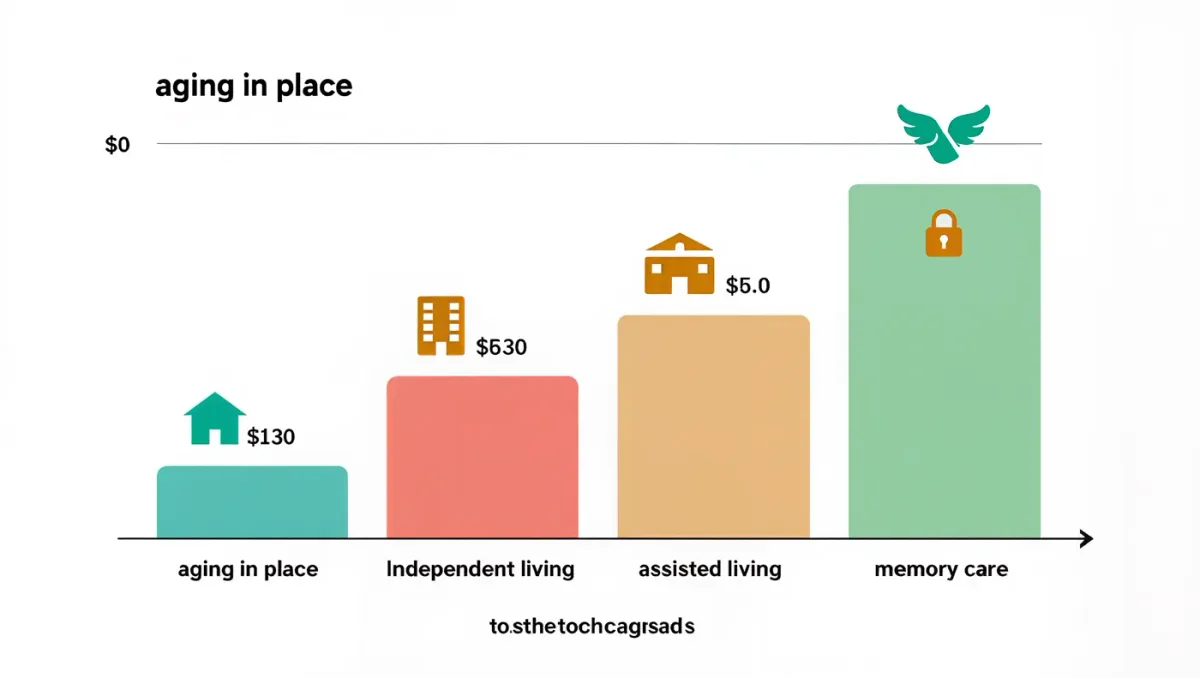
Life after 65 in Miami runs on four main arrangements: aging in place in your current home, which commonly costs $1,500 to $4,000 a month once help arrives; independent living communities, typically $2,500 to $4,500 a month; assisted living, commonly $3,800 to $6,500 a month in Miami-Dade; and memory care, which typically adds $1,000 to $2,000 over assisted living, based on published South Florida senior-living cost surveys and home-care agency rates as of 2025. The right choice follows care needs first and budget second, and Miami's climate, transit gaps, and hurricane season shape every option. The table below compares all four on the same lines.
Costs are estimated ranges as of 2025 and vary widely by community, contract type, and level of care; verify current pricing directly with any community or agency.
How do the four options compare?
Each column assumes a single senior with typical needs for that setting; couples change the math in the notes column.
| Criteria | Aging in place | Independent living | Assisted living | Memory care |
|---|---|---|---|---|
| Monthly cost, typical | $1,500-$4,000 with help | $2,500-$4,500 | $3,800-$6,500 | $4,800-$8,500 |
| Housing | Own or rent existing home | Apartment in community | Apartment in community | Secured unit |
| Care included | Hired hourly home care | None; meals and activities | Help with daily activities | Dementia-specific care |
| Hidden costs | Home maintenance, transport, modifications | Care added later at a la carte rates | Care-level increases over time | Highest escalation |
| Suits | Strong health, established support | Active seniors leaving home upkeep | Need daily help, want independence | Advanced dementia needs |
What does aging in place really cost in Miami?
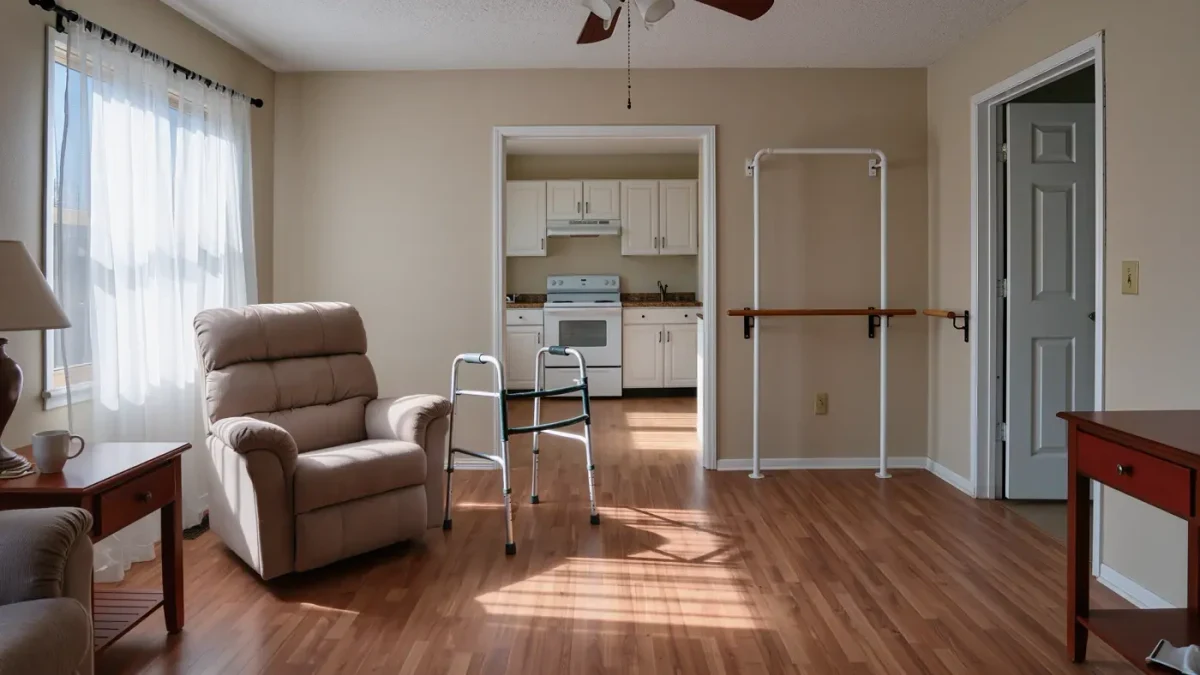
Staying home looks free and rarely is. The house itself carries insurance premiums that in South Florida commonly run well above national norms, plus maintenance, property tax, and — for many older residents — hired help: home-care agencies in South Florida commonly charge $25 to $35 an hour, and a few hours a day of help moves a senior into the $2,000-to-$4,000 monthly band quickly, per published agency rates as of 2025. Add Miami's practical frictions: limited transit outside the core makes a no-driving life harder than in denser metros, and hurricane season adds an evacuation question every June that families should answer before the season, per county senior-preparedness guidance as of 2025.
What do independent and assisted living actually include?
The two are often confused and priced a tier apart. Independent living rents an apartment with meals, activities, and no care — the resident runs their own life in a maintenance-free setting. Assisted living adds help with daily activities such as bathing, medication management, and dressing, and its contracts usually start at a base rate with care added by level; the $3,800-to-$6,500 Miami-Dade range as of 2025 covers the base, and heavier care needs push above it. Florida licenses and inspects both settings, per the state's assisted living facility licensing structure as of 2025, so any community you tour should hold a current state license — ask for the license number and check it. Tour twice — once on a weekday activity hour and once at a meal — and talk to residents without staff present; the dining room tells you more than the brochure ever will.
How do families pay for this in Florida?
Four streams cover most Miami-Dade seniors, and they rarely mix evenly. Personal savings and Social Security cover independent living and much of aging in place; long-term care insurance, where a policy exists, offsets assisted and memory care but requires buying before the need; Medicaid supports qualifying seniors in some assisted living settings and home care through waiver programs, per Florida Medicaid long-term-care program structure as of 2025; and Medicare pays for short-term skilled nursing after hospitalization but not ongoing custodial care — the single most common misconception families bring to this decision. A benefits check with the county's elder-affairs resources is a no-cost first step, per Miami-Dade elder services as of 2025.
How do couples navigate these decisions together?
Couples face the version of this question that no single-senior pricing table shows. Independent living commonly prices a second occupant at a modest add-on, assisted living charges full per-person rates once both need care, and memory care frequently splits a couple when one spouse needs a secured setting and the other does not — some communities handle this under one roof, others do not, per common Miami-Dade community structures as of 2025. The financial planning consequence: a couple's budget must model the months where one spouse is in a community and the other is still at home, which is the most expensive configuration and the one families rarely plan for. Ask every community you tour how they handle couples across care levels; the answer varies more than the price sheets suggest.
When is the right time to move from home to a community?
The honest triggers are safety and isolation rather than a birthday. Warning signs that aging in place is failing include missed medications, falls, expired food in the fridge, driving given up without a transport plan, and the hurricane question going unanswered. Moving before a crisis produces a better decision than moving after one: communities have waitlists, and a choice made calmly can compare three licensed settings on the same criteria rather than accepting the first available bed, per senior-placement practice norms as of 2025.
Is Miami a good place to grow old?
The case for it is real: no winter ice, year-round outdoor life, deep medical infrastructure, and a large population of the same age that makes the social side easier than in colder metros. The costs are the Florida ones — insurance, heat that confines summer days to mornings, and driving dependence outside central neighborhoods. Budget honestly with the ranges above, license-check any community, and answer the hurricane-evacuation question once a year, and Miami treats its over-65 residents about as well as any large American metro, based on the cost and care structure as of 2025. The one move that pays in every scenario: start the research two years before you think you need it, while every option on the table is still genuinely a choice.