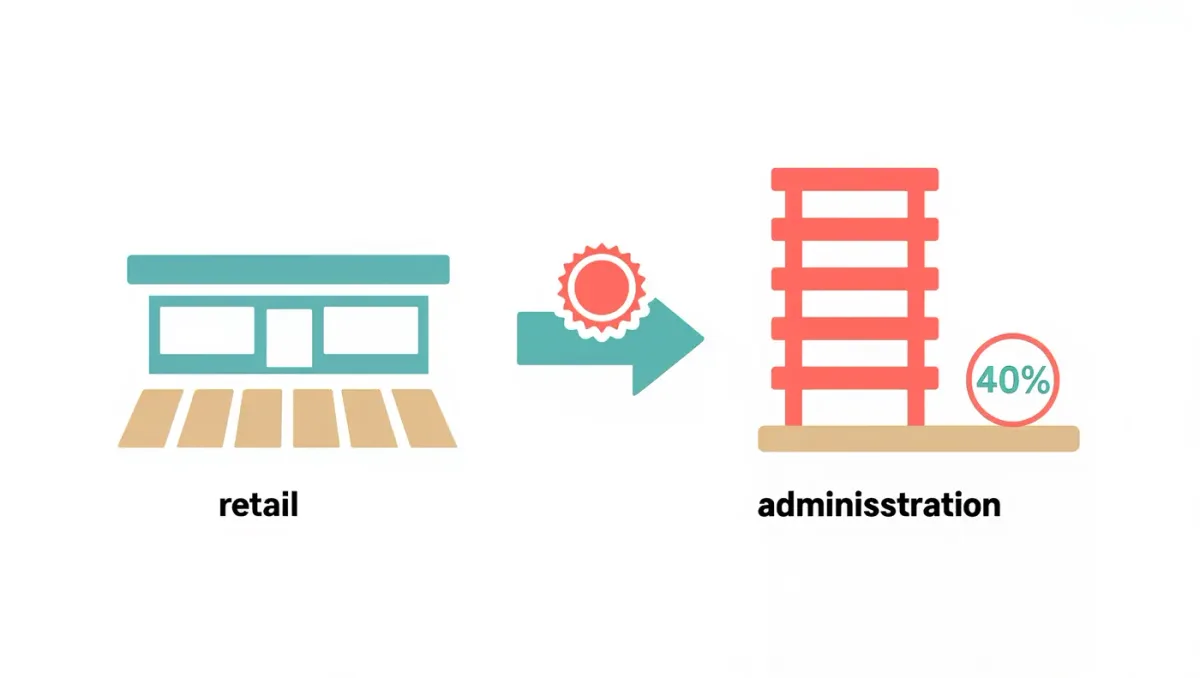
The Live Local Act is starting to do what its name promises, and 2026 is the year the mechanics matter. Under Senate Bill 1730, effective July 1, 2025, local governments must grant administrative approval — no hearing before a zoning or quasi-judicial board — for qualifying developments that set aside at least 40% of units as affordable for households at or below 120% of area median income, per the Florida Senate's staff analysis of the bill. The 2025 rewrite also required administrative approval of associated demolitions and closed procedural loopholes cities had used to slow projects down.
This is housing policy coverage, not legal advice; whether a specific parcel qualifies depends on its zoning and the local code. But the direction is clear for renters watching where workforce housing lands.
What exactly does the law do?
Since the original 2023 act, a developer can build multifamily or mixed-use housing in any commercial, industrial or mixed-use district — land that previously sat as strip malls and office parks — as a matter of right, if the affordability set-aside is met, subject to the highest allowed density nearby. SB 1730 (2025) tightened the approval path and the definitions counties and cities must follow.
Why should a Miami renter care?
Because it changes where units appear. Sites along US-1, in suburban office corridors and around aging retail are now candidate housing locations across Miami-Dade, and the administrative path removes the public-hearing delays that could stretch a project by a year or more. The trade-off is real: elected boards no longer vote on these projects individually, so neighbors lose a forum — while workers earning up to 120% of AMI, roughly teachers, nurses and transit operators, gain units priced within their reach.
| Live Local rule | What it requires | Effective |
|---|---|---|
| Zoning preemption | Multifamily allowed in commercial/industrial districts with 40% affordable set-aside at ≤120% AMI | July 1, 2023 |
| Administrative approval (SB 1730) | Staff-level approval, no quasi-judicial hearing, for qualifying projects and related demolition | July 1, 2025 |
| Tax exemptions | Ad valorem exemptions for qualifying affordable units | 2023, amended since |
What is next for the program?
Lawmakers keep amending the act each session, so the mechanics may shift again in 2026 — but the core bargain has held for three years. Renters and buyers should expect the practical effect gradually: Live Local projects break ground on commercially zoned land first, and units reach the market years after approval. For a Miami household priced out of market-rate rents, the program's promise is supply in places nothing else was being built.