Miami's summer is not a season you survive in July; it is roughly six months, from May through October, when afternoon temperatures run in the high 80s to low 90s Fahrenheit and heat indices regularly pass 100, per National Weather Service climate normals for the Miami area as of 2025. The practical consequence shows up in three places: an electric bill that roughly doubles from winter to peak summer, an apartment that needs routine maintenance to stay livable, and a daily schedule that shifts to mornings and evenings. This guide walks through all three.
Miami In News publishes information, not advice. Figures below are estimates with their dates, drawn from federal weather and energy sources; your building, your thermostat habits, and your utility plan will move the numbers.
What does summer heat do to your electric bill?
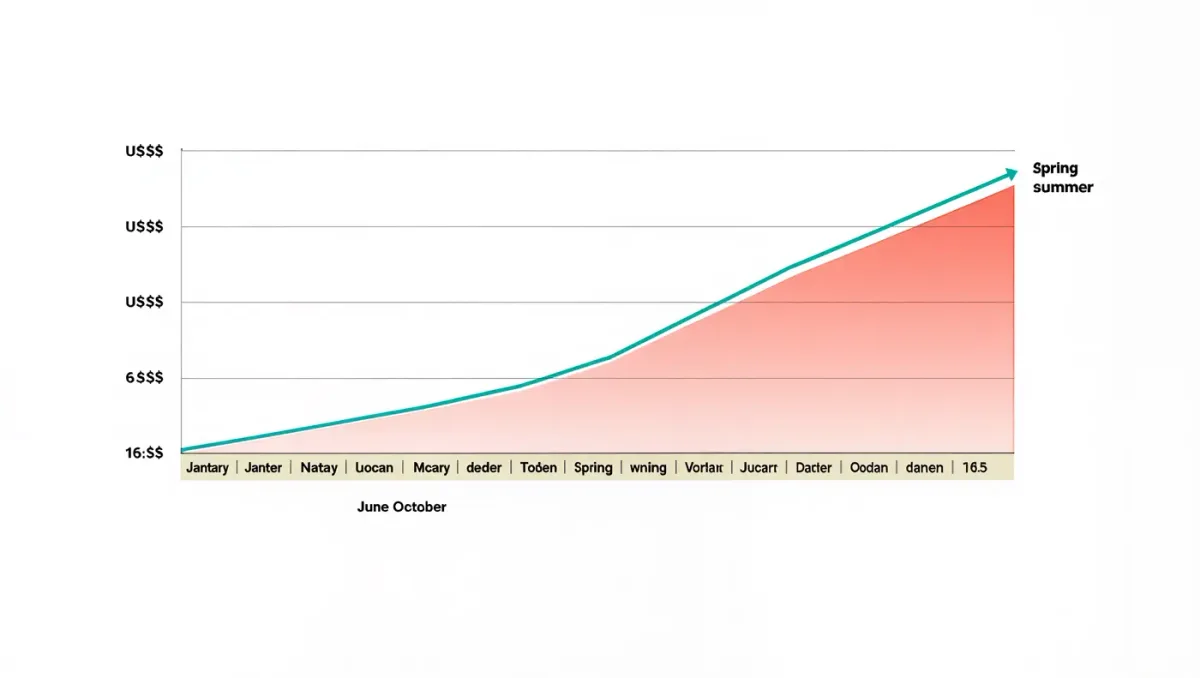
Air conditioning becomes the dominant line. On a typical Florida residential bill, cooling accounts for the largest single share of household electricity use — commonly around 40 to 50 percent in summer, per U.S. Energy Department estimates on Florida cooling loads as of 2025 — and Miami-Dade homes run hard from May into October. A small apartment that costs $60 to $80 a month to cool in January commonly runs $130 to $200 at peak, based on typical usage patterns for Florida households as of 2025. Older buildings with single-pane windows and window units can run well above that range.
How do you keep the bill down without living miserably?
The wins are boring and mechanical, not heroic. Federal energy guidance on cooling, per Energy Department consumer guidance as of 2025, points to the same short list every year, and in a Miami apartment most of it costs little to nothing.
- Set the thermostat to 78 degrees Fahrenheit when home, higher when out; each degree lower adds meaningfully to cooling cost.
- Close blinds and curtains on sun-facing windows during the day; solar gain through glass is the fastest way to defeat your AC.
- Run ceiling fans in occupied rooms so you can hold a higher set point comfortably; fans cool people, not empty rooms, so switch them off when you leave.
- Replace HVAC filters every one to three months in summer; a clogged filter makes the system run longer for the same cooling.
- Wash laundry and run the dishwasher at night, when they do not add heat to an already-hot apartment.
- Seal the obvious leaks — door sweeps, AC sleeves, slider tracks — which in older Miami buildings are the biggest silent cost.
What about humidity, mold, and the apartment itself?
Heat is only half of the Miami summer; humidity is the part that damages apartments. Persistent moisture finds any weakness — a slow slider leak, an unsealed AC sleeve, a bathroom without a working exhaust fan — and turns it into mold within a season. The defense is mechanical: run the AC or a dehumidifier rather than opening windows to “air out,” run the bathroom fan during and 20 minutes after showers, wipe down window tracks, and report any water stain to your landlord in writing the week it appears. Under Florida's residential landlord-tenant law, mold and moisture complaints follow the written-notice process, and a dated paper trail is what protects your deposit, per Florida Statutes ch. 83 as of 2025.
How much should you budget for summer, line by line?
Estimates vary by building age and unit size, but the ranges below give a planning baseline for a one-bedroom apartment in Miami-Dade, per typical Florida usage patterns as of 2025. A house with a pool pump and more square footage sits well above every line.
| Line item | Winter month | Peak summer month |
|---|---|---|
| Electricity, small apartment | $60-$80 | $130-$200 |
| Water and sewer | $40-$60 | $40-$60 |
| Filters, blinds, seal fixes | Rare | $10-$30 monthly average |
| Humidity extras (dehumidifier, fans) | Rare | $50-$150 once per season |
How should you schedule a Miami summer day?
Shift outdoor life to the edges of the day. Mornings before 10 a.m. and evenings after 6 p.m. are when running, dog walking, playground trips, and beach hours belong; midday from roughly 11 a.m. to 4 p.m. is for shade, water, or air conditioning. The National Weather Service issues heat advisories when heat indices become dangerous, and Miami sees multiple advisory days each summer, per NWS Miami practice as of 2025 — treat those days as indoor days the same way northern cities treat snow days. Keep a water bottle in the routine; humidity hides how much you sweat.
What should renters check before a summer lease?
Ask direct questions about cooling, because the answers swing your summer budget by $100 a month. Central AC with your own thermostat beats a shared chiller schedule, and window units in a 1960s walk-up are a different cost universe entirely. The checklist below covers the essentials.
- Confirm the unit has central air or recent in-wall units, and ask the age of the system.
- Ask the landlord or previous tenants what summer electric bills actually ran for the unit size.
- Check that windows close fully and sliders seal; hold a hand near the frames on a hot day.
- Confirm whether the utility account is in your name and which provider serves the address.
- Test blackout or at least lined blinds; if absent, factor $50-$150 to fix it yourself.
What about hurricanes and outages during heat season?
Peak heat overlaps peak hurricane season, and the honest summer plan assumes a multi-day power outage is possible every year between June and November. Before the season, stock water, shelf-stable food that needs no cooking, battery fans, and charged power banks; during an outage, close blinds, keep the refrigerator shut, and plan your hours around anywhere with generator power. Miami-Dade County publishes preparedness guidance each season, per county emergency management materials as of 2025, and it is worth reading in May rather than during a storm watch.
Is Miami summer livable without retreating indoors for months?
Yes, if you rebuild your routine around it rather than fighting it. Residents who thrive here treat summer the way ski towns treat winter: the season has its own schedule, its own gear, and its own budget line — in this case roughly double your winter electric bill, per the usage patterns cited above as of 2025. Plan the mornings, shade the windows, service the AC, and the six-month summer becomes a cost you manage instead of a surprise you endure.