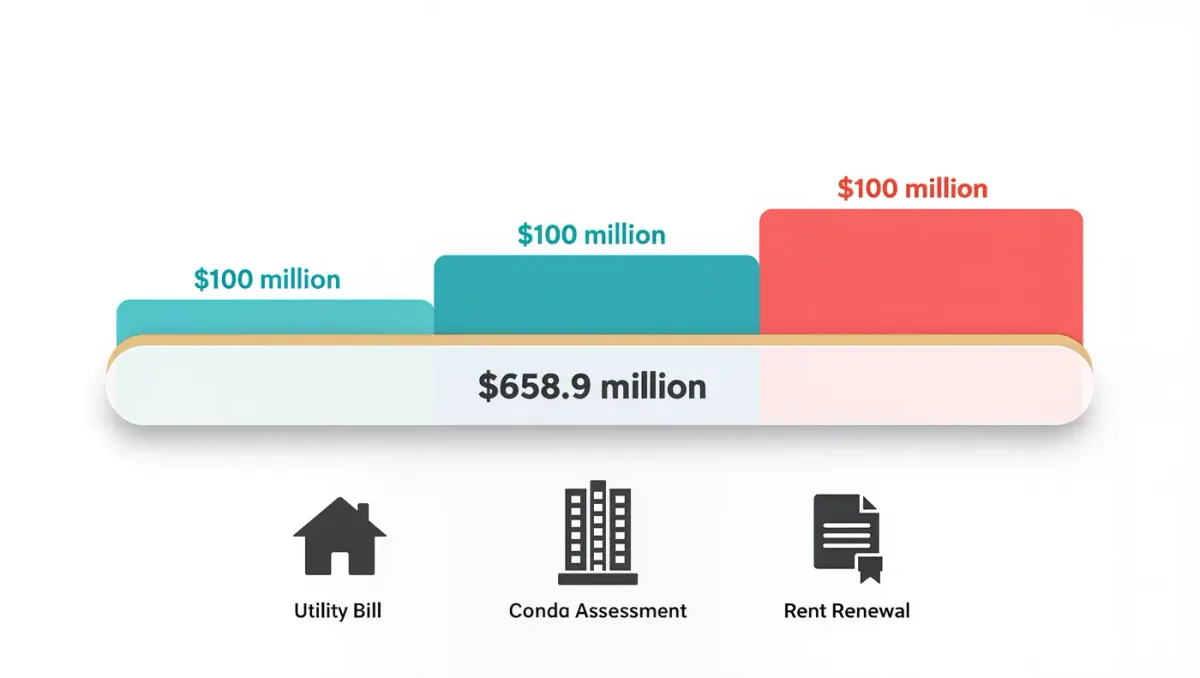
If you own or rent on Miami Beach and wonder what flood-protection spending costs you personally, the paper trail leads to utility fees rather than a single bond check. Per City of Miami Beach Resolution 2025-33530, the stormwater program's total cost is estimated at $658.9 million, and funding a third $100 million tranche requires an additional stormwater rate increase. The city has already invested roughly $500 million in pumps, raised roads, and drainage over the program's life, funded in part by an earlier 84% stormwater fee increase, per the Adaptation Clearinghouse's program summary.
Why is there still a funding gap?
Because the needs keep outgrowing the fees. Miami Beach faces roughly $1 billion in infrastructure needs, much of it pipes and pumps, and city leaders rejected a proposed water and sewer fee increase in early 2026, per Miami Herald reporting — leaving the payment path for part of the backlog unresolved. That is the tension to watch: a program built on incremental stormwater-rate tranches, and a commission reluctant to keep raising the adjacent utility bills.
How does this reach a renter's or owner's bill?
Three routes. Directly, stormwater fees appear on Miami Beach utility accounts, and each tranche-approved increase raises them. For condo owners, the city's utility charges flow through association budgets alongside flood insurance, so resilience costs surface inside monthly HOA assessments. For renters, the link is indirect but real: landlords pass property-level costs — utility fees, insurance, elevation work — into renewal pricing over time. One offsetting line works the other way: Miami Beach's standing in FEMA's Community Rating System earns discount percentages on National Flood Insurance Program premiums for the city's policyholders, which softens the private flood-insurance half of the resilience bill.
What should a Miami Beach household do with this?
If you rent, ask at renewal how much of the increase traces to utilities and assessments versus market movement — the distinction matters for negotiation, because utility pass-throughs are documented in your account, not invented by your landlord. If you own a condo, read the budget line for utilities and the master insurance line separately; the resilience story touches both. And if you are comparing neighborhoods, treat funded programs differently from announced ones: Miami Beach's stormwater tranches are approved and priced, per the city's own resolutions, which makes the fee path more predictable than in cities where flood spending is still only an estimate. As of June 2026, the program's scale — about $659 million and climbing — is fixed history; the open question is which fees the commission chooses to raise next.