If a pothole, a zoning vote, or a rent-driven development fight touches your block in Miami, three layers of government could be responsible: the city, the county, and sometimes the state. The city runs on a mayor-commission structure, per Wikipedia's profile of Miami, with Eileen Higgins serving as mayor. Knowing which layer owns which decision is the difference between shouting at the wrong door and getting an answer.
This guide walks through who does what at each level, where the decisions that hit your housing costs actually get made, and how to follow the process yourself. The city's own notices are public: the City of Miami's official site posts budget hearings, agendas, and meeting schedules for anyone to read.
What does the city government actually control?
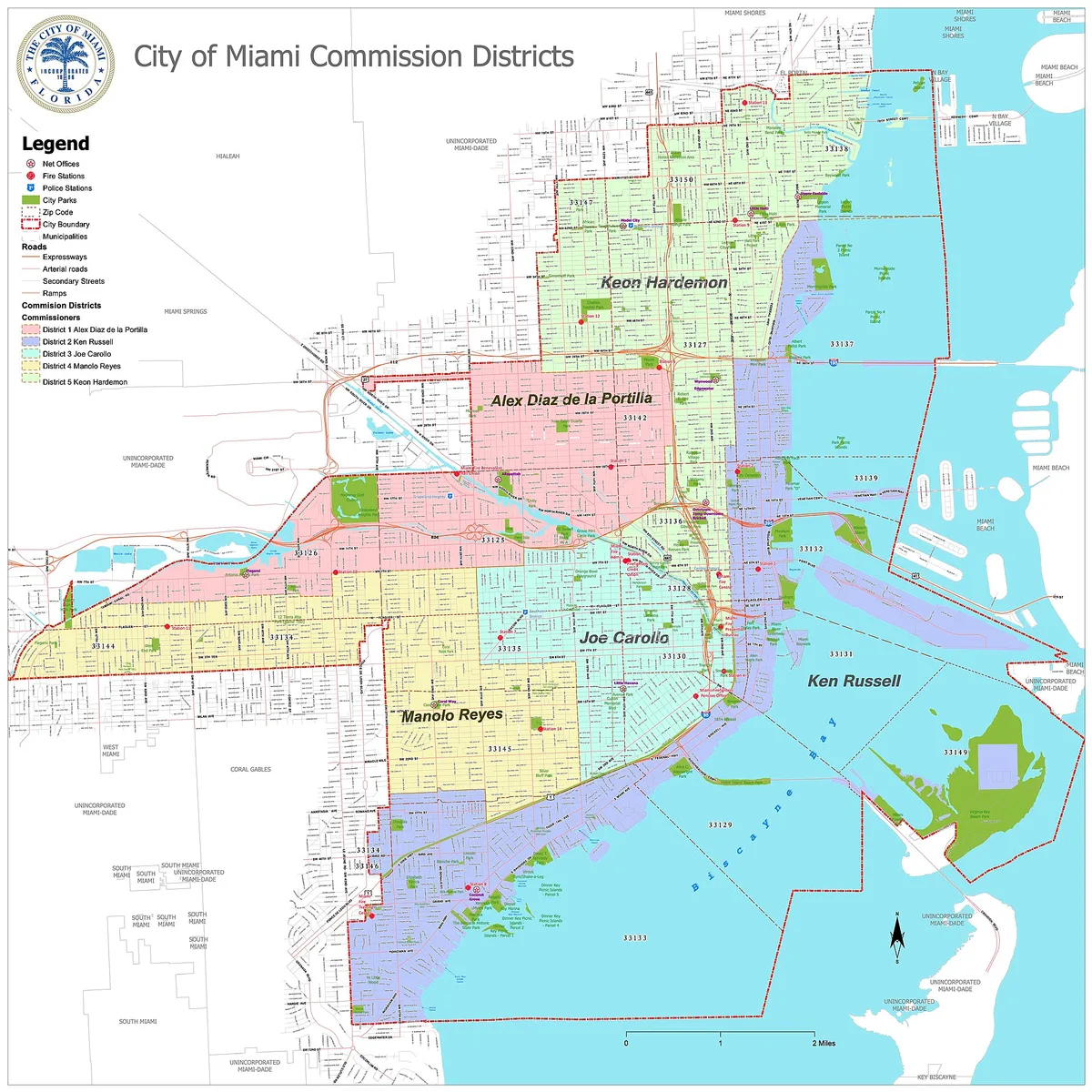
The City of Miami decides what happens inside city limits: zoning, building permits, the police and fire departments, local streets, parks, and the city budget. It was incorporated on July 28, 1896, and it is the county seat of Miami-Dade County, according to Wikipedia's entry on the city. That last fact matters for a practical reason: city hall sits inside a larger county government that runs separate services.
For a renter or buyer, the city's biggest levers are land use and permitting. Whether a tower rises near your apartment, whether a building gets recertified, and how quickly a permit clears all trace back to city hall. Those decisions show up later in your rent, which is why our coverage of the Brickell office pipeline and apartment rents keeps circling back to zoning votes.
Who is the mayor, and what can the mayor actually do?
The mayor is the city's top elected official and its most visible voice. Under the mayor-commission form of government, the mayor sets an agenda and pushes priorities, but does not govern alone. The commission holds real power, and most day-to-day decisions that affect a neighborhood come out of that shared structure rather than from one office.
What this means for you: a mayor can champion a housing plan or a resilience project, but the fine print gets negotiated with the commission. If you want to know where a promise stands, watch both the mayor's proposals and the commission's votes, not just the press conference.
What does the city commission decide?
The commission is the city's legislative body. It passes the city budget, approves zoning changes, adopts land-use rules, and confirms how city departments spend. Its meetings are public and held in the City Commission chambers at Miami City Hall, 3500 Pan American Drive, Miami, FL 33133, per the city's own hearing notices.
The budget is the clearest example of the commission's power. The city's site shows the schedule in action: under Resolution No. R-26-0320, adopted July 23, 2026, the commission held its First Budget Hearing on September 10, 2026, and its Second Budget Hearing on September 24, 2026, both at 5:05 p.m. at city hall. Those hearings set the property-tax and service decisions that follow residents for a year.
- Budget and property-tax rate: commission votes, in public hearings.
- Zoning and new development: commission approval, usually after planning review.
- Everyday services: city departments, overseen by the commission.
Where does Miami-Dade County fit in?
Miami-Dade County is a separate government layered above the city, and Miami is its county seat, per Wikipedia. The county runs services that cross city lines: the transit system, the port and airport, major parks, elections, and property appraisals. Some things people assume are city decisions are actually county ones, and vice versa.
The transit example is the easiest to see. Bus and rail service is a county operation, which is why our explainer on what voters backed in the Miami-Dade transit expansion tracks county commitments rather than city hall votes. If your commute is the problem, the county is the layer to watch.
There is a state layer too. Florida law sets the rules that cities and counties operate inside, and recent state legislation on condo reserves and building recertification has reshaped what Miami unit owners pay. Our coverage of Miami-Dade's condo recertification and reserve rules shows how a state mandate becomes a local bill. This connects to our earlier piece, What Miami-Dade's condo recertification and reserve rules mean for what you'll pay to own.
How do you follow a decision that affects you?
City hall makes it easier than most people expect. The city's website posts meeting notices, agendas, and budget-hearing announcements, including the exact time, date, and chamber address for each hearing. Agendas tell you what the commission will vote on before the vote happens, which is when public comment still counts.
Our analysis: the accountability gap in Miami is less about secrecy and more about layer confusion. A resident angry about a bus route petitions the city; the county runs the buses. A resident angry about a condo special assessment petitions the county; the trigger was a state law. Matching the complaint to the correct layer is the single most useful civic skill a Miami resident can build.
Practical steps, in order:
- Find the address or issue and confirm whether it sits inside City of Miami limits.
- Check the city's site for the relevant agenda or hearing notice.
- If the issue is transit, elections, or the property appraisal, look to Miami-Dade County instead.
- If the issue traces to a state rule, such as condo reserves, follow the state statute and its local implementation.
What this means for renters and owners
Every layer touches housing costs, just at different points. The city decides what can be built and permitted. The county decides how you get around and how property is valued for taxing. The state sets the rules buildings must meet, and those rules are currently driving some of the sharpest cost changes for condo owners, as our coverage of the Florida condo reserve law and the bills Miami owners are seeing documents. Readers following this should also see Florida's condo reserve law is now real, and Miami unit owners are seeing the bills.
None of this tells you what to buy or where to rent. It tells you which door to knock on, which meeting to watch, and which vote actually moved the number on your bill. That is the part of city government most residents never see, and it is the part that decides the most.