If you rent near Miami International Mall, in Doral or along the NW 107th Avenue corridor, and you see headlines about turning dead mall anchors into apartments, the honest answer is this: proposals promise homes and retail, but the rent effects arrive in three distinct stages — announcement, approval, and delivery — and only the last one is real for your budget. Miami International Mall opened in 1982, and like aging malls across South Florida, its future now gets discussed in terms of mixed-use districts: housing where anchor boxes and parking fields used to be. This guide explains what those plans typically contain, what actually gets built, and what a renter or buyer should watch at each stage. It publishes information, not real estate advice.
Why do malls near Miami keep getting pitched for redevelopment?
The arithmetic is blunt. A regional mall earns rent from retail tenants; housing developers can pay far more for the same land because they can stack residences on parking lots and anchor boxes. Mall-era anchors — the big department-store boxes built for chains that have retreated — sit as single-story volumes on valuable land, surrounded by paved lots zoned for commerce. Converting that pattern to apartments, shops, and offices lets the owner capture value the retail format no longer produces. Around Miami, the pattern shows up at aging enclosed malls and their outparcels, while newer open-air formats such as Dolphin Mall, which opened in 2001 as a value outlet center, follow a different economic logic and rarely face the same pressure.
What does a typical mall mixed-use proposal promise?
Most South Florida mall proposals follow a familiar template, and knowing the template helps you read the next one:
- Residential units — usually mid-rise buildings of four to six stories placed on former parking fields, often phased over three or more years.
- New retail and restaurants at the base, framed as a walkable district replacing enclosed corridors.
- An entertainment or social anchor — a fitness tenant, cinema, or food hall — pitched as the new gathering point.
- Road, drainage, and crosswalk upgrades, because these sites were designed for cars moving between lots and doors.
The numbers that matter to renters are the unit count, the phasing plan, and the share of units, if any, that are income-restricted. A proposal of several hundred units phased over multiple years produces a slow, localized change in rental competition — not an overnight shift.
What changes at each stage — and when does it touch your rent?
Stage one, the announcement, changes nothing measurable. Developers file concept plans, and the figures in the press release are the developer's own claims, subject to revision. Stage two, approval, is where the binding numbers get set: unit counts, heights, setbacks, and any workforce-housing obligations are fixed in code through the city's hearings. Stage three, delivery, is the only stage that competes with your landlord. Lease-ups matter because new buildings rent at market-facing prices and often discount early to fill units; established landlords nearby respond to the new competition, not to the press release. Historically, the gap between a mall proposal's announcement and its first delivered units runs in years, not months, and some projects never break ground.
| Stage | What is decided | What it means for renters |
|---|---|---|
| Announcement | Developer's concept, unit targets | Nothing yet — claims, not commitments |
| Approval | Binding zoning: units, heights, affordability | Reliable signal of scale and timing |
| Delivery | Completed units entering the market | Actual competition; lease-up discounts |
What else does a mall conversion change around the site?
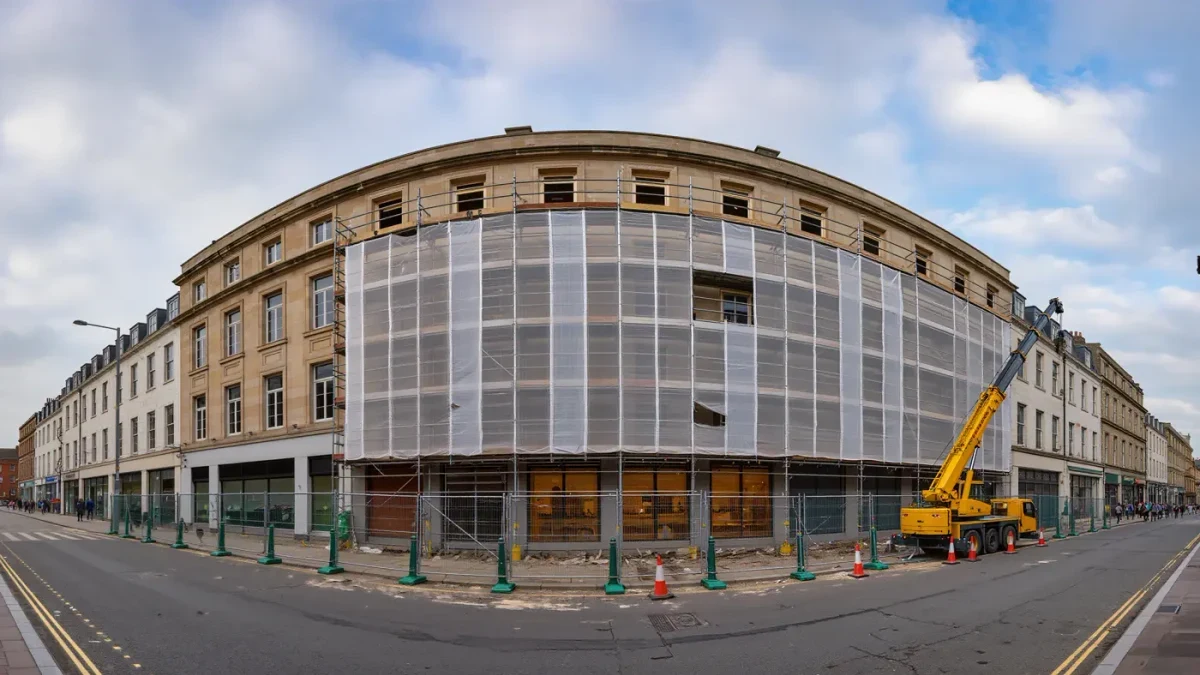
Housing is the headline, but the surrounding changes are what residents feel first. Construction traffic precedes any benefit by years. New residents raise demand for the same exits, school seats, and services. On the positive side, adding housing at a mall — a place already served by wide roads and transit corridors — is generally considered more efficient than building on untouched land, and it puts apartments within walking distance of jobs in the airport-Doral employment core, one of Miami-Dade's largest. Renters weighing a unit in a new mall-district building should price both directions: new construction quality against construction-era disruption and unknown future service levels.
How should you evaluate the next proposal you read about?
Use a short checklist. First, find the city's own project page or agenda item — the municipal record, not the developer's renderings, is the source that counts. Second, separate approved unit counts from proposed ones; only the approved figure survives contact with zoning. Third, look for the phasing schedule and ask which phase is funded. Fourth, check whether any units are income-restricted and how they are administered. Fifth, if you rent nearby, treat the first delivered building as your negotiating event: comparable units there give you a market-facing price to cite. None of this predicts prices — it tells you what is knowable at each point, which is the difference between planning noise and a number you can use.
What if you are buying near the mall instead of renting?
The same stages apply, with one addition: construction is a cost you carry, not just a disruption you wait out. Buyers considering an existing condo or house near a conversion site should underwrite several years of crane views, dust, and detour routes before any amenity arrives. On the other side of the ledger, completed mixed-use districts tend to hold value better than declining retail corridors because they add daily-use destinations — groceries, gyms, restaurants — within walking distance. Two cautions apply. First, do not pay today for renderings: resale prices sometimes bid up a proposal before a single unit is delivered, which is the least reliable moment to spend. Second, ask the association or seller how the development's construction schedule is documented, and rely on the municipal approval record for dates rather than sales-office timelines. A buyer who prices the disruption years honestly and treats delivered amenities as a bonus, rather than a promise, ends up in the stronger position either way the market moves.
The bottom line for the International Mall area
As of early 2026, the realistic expectation for mall-adjacent redevelopment in the Doral and NW 107th Avenue corridor is incremental: anchor-box and parking-lot sites are the region's most obvious conversion candidates, any specific plan moves through years of review, and the rent-relevant change arrives building by building. Renters who track the approval record — rather than the announcements — will see the market change coming with enough lead time to use it.