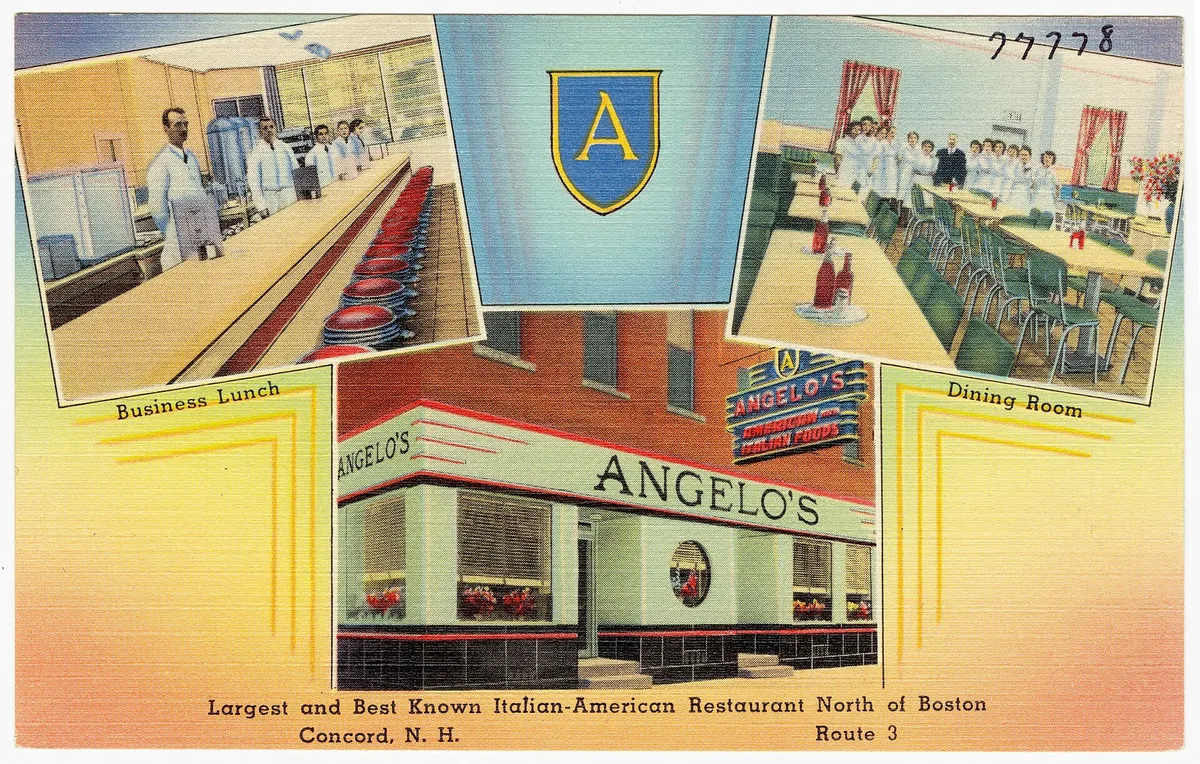
Miami runs on two kinds of Cuban kitchens, and knowing which one you're walking into changes everything: the order, the price, the pace, even where you stand while you eat. The old-school ventanita and lunch counter is built for speed and ritual. The new-generation Cuban kitchen is built for sitting down, lingering, and seeing the food plated with more care.
Neither is better. They solve different problems. This guide explains how each works day to day, what to order where, and the trade-offs worth knowing before you choose. If you want the coffee ritual itself broken down by drink and cost, our guide to what a colada, cortadito, and cafecito actually cost covers that in detail. This connects to our earlier piece, Cuban coffee in Miami: what a colada, cortadito, and cafecito actually cost.
What does "essential" actually mean for a Cuban restaurant in Miami?
The word gets thrown around a lot, so it helps to be precise. Merriam-Webster defines essential as fundamental and indispensable, and that is a fair test for a Miami Cuban restaurant: does it do the things the city actually relies on it to do? A morning cafecito, a midday plate of rice and beans, a press of a Cubano sandwich, a late-night window that stays open when everything else closes.
By that test, the essentials are less about a famous name and more about function. The counter that serves construction crews at 7 a.m. is essential. The dining room where three generations of a family argue over the pastelitos is essential. A place that photographs well but closes at 4 p.m. and has no counter service may be good. It is not essential.
How does an old-school cafecito counter actually work?
The classic ventanita is a window, a bar, and a rhythm. You order at the window or the counter. Coffee is often served sweet and in small cups, and a colada is designed to be shared, poured into little thimble cups for a group. Food is fast: tostada with butter, a media noche or Cubano pressed on the plancha, croquetas handed over in paper.
What this means in practice is that the counter rewards confidence. Know what you want before you reach the window. Cash moves faster, though most take cards now. Stand at the bar, drink quickly, go. The whole visit can take six minutes, and that is the point.
The trade-offs are real. Seating is minimal or nonexistent. Menus are short. Decor is whatever has survived the decades. What you get in exchange is speed, low cost, and food that has not changed in a generation because it never needed to.
What makes the new-generation Cuban kitchens different?
The newer wave takes the same core dishes and treats them as a full dining room experience. Expect table service, a longer menu, cocktails built around rum and citrus, and plating that borrows from contemporary restaurant kitchens. The cooking often leans on the same foundations: mojo, sofrito, slow-roasted pork, plantains in their various stages of ripeness.
The differences show up in three places. First, pacing: you sit, you order in courses, you stay. Second, price: a sit-down dinner costs more than a counter plate, sometimes several times more, and you are paying for the room and the service as well as the food. Third, interpretation: some kitchens stay strictly traditional, others riff, and the menu usually tells you which.
Our analysis: the new kitchens are best when you want Cuban food as an evening out, with company and time. The counters are best when you want the food itself, fast, the way a large share of Miami eats it every morning. For more on how sit-down pricing compares to casual eating across the city, see our line-by-line look at what casual dining costs versus fine dining. Readers following this should also see Lunch in Miami: what casual dining costs versus fine dining, line by line.
Which one should you choose, and when?
Match the room to the moment. The comparison below puts the two scenes side by side on the same criteria.
| Criterion | Old-school counter or ventanita | New-generation kitchen |
|---|---|---|
| Best time to go | Early morning, lunch, late night | Dinner, weekend gatherings |
| Pace | Minutes at a window or bar | A full seated meal |
| Typical order | Cafecito, tostada, pressed sandwich, croquetas | Appetizers to share, plated mains, cocktails |
| Cost level | Low; counter pricing | Higher; dinner pricing with service |
| Seating | Standing bar, minimal seats | Full dining room |
| Risk of disappointment | Low if you want the classics | Higher if the kitchen riffs and you wanted tradition |
A few practical steps help either way. Check hours before you go, because counter hours and dinner hours rarely overlap. Ask what the kitchen is known for; both kinds of place usually have one dish they care about most. And if you are budgeting the whole bill, remember that service charges and tipping change the total, which we explain in our guide to tipping and service fees in Miami.
Where do you find these kitchens, and what should you order first?
Geographically, the old counters cluster where Cuban Miami has always been dense: Hialeah, Little Havana along and around Calle Ocho, and pockets of Kendall and Westchester where the morning commute passes a window on the way to work. The newer dining rooms show up where dinner traffic lives, including Coral Gables, Wynwood, and the beach, though good examples of both kinds turn up well outside those shorthand boundaries.
For a first order at a counter, keep it simple: a cortadito if you want it small and sweet, a Cuban or media noche if you want to eat, and croquetas if they are fresh out of the fryer. At a newer kitchen, start with whatever the menu marks as the house specialty, usually the pork, and share appetizers so you can taste the range. Late at night, the counters win outright; our guide to where to eat after midnight in Miami maps which neighborhoods keep kitchens open.
One more note on neighborhoods: the food is part of why people choose where they live here, and our coverage of Miami's neighborhoods looks at that trade-off from the housing side. The dining scene is covered in depth on our dining hub, including how promotions like Miami Spice work in 2026 for sit-down dinners.
What this means for your next meal
The evidence of how Miami eats points one way: the two scenes are complements, not competitors. The counters hold the daily rituals, the coffee, the pressed sandwich, the standing bar conversation. The new kitchens hold the long table and the evening. A reader who wants the full picture should eat both, in that order, and decide which one they would miss more.
What remains unknown is per-restaurant: hours change, kitchens change hands, and menus move. Verify any specific venue's hours and prices on its own current listings before you go, and treat this guide as the map, not the menu.