What makes a steakhouse worth its prices in Miami? Three things: a real dry-aging program, a kitchen that cooks to your actual doneness, and a room that earns the check without leaning on a view alone. The best steakhouse in Miami for your money is rarely the one with the loudest room. It is the one that can tell you how long the ribeye hung, in what conditions, and why.
Miami gives steakhouses plenty of help. The dining scene here is one of the most visited in the country — the metro drew more than four million visitors in 2022, according to Wikipedia's Miami profile — and a constant flow of expense accounts and celebration dinners keeps the prime-crust business busy. That demand cuts both ways. It supports serious butchery and aging programs. It also supports rooms that charge for the address.
This guide explains what you are actually paying for at each price tier, how dry-aging works and why it changes flavor, and what to look for in the room and the service before you commit to a big night. For more of our food coverage, start at the dining hub.
What does dry-aging actually do to a steak?
Dry-aging is controlled decay in reverse. A whole cut sits in a temperature- and humidity-controlled room for weeks. Moisture evaporates, which concentrates flavor. Natural enzymes break down connective tissue, which softens the bite. The surface forms a hard crust that gets trimmed away, so a 30-day-aged ribeye loses real weight before it ever hits the grill.
That weight loss is the honest reason aged steaks cost more. The house is charging you for meat that shrank, plus the space and time it took. A kitchen running a genuine program will usually show you the aging room, name the number of days, and trim in-house. A kitchen that prints "aged" on the menu without a number is asking you to take the word on faith.
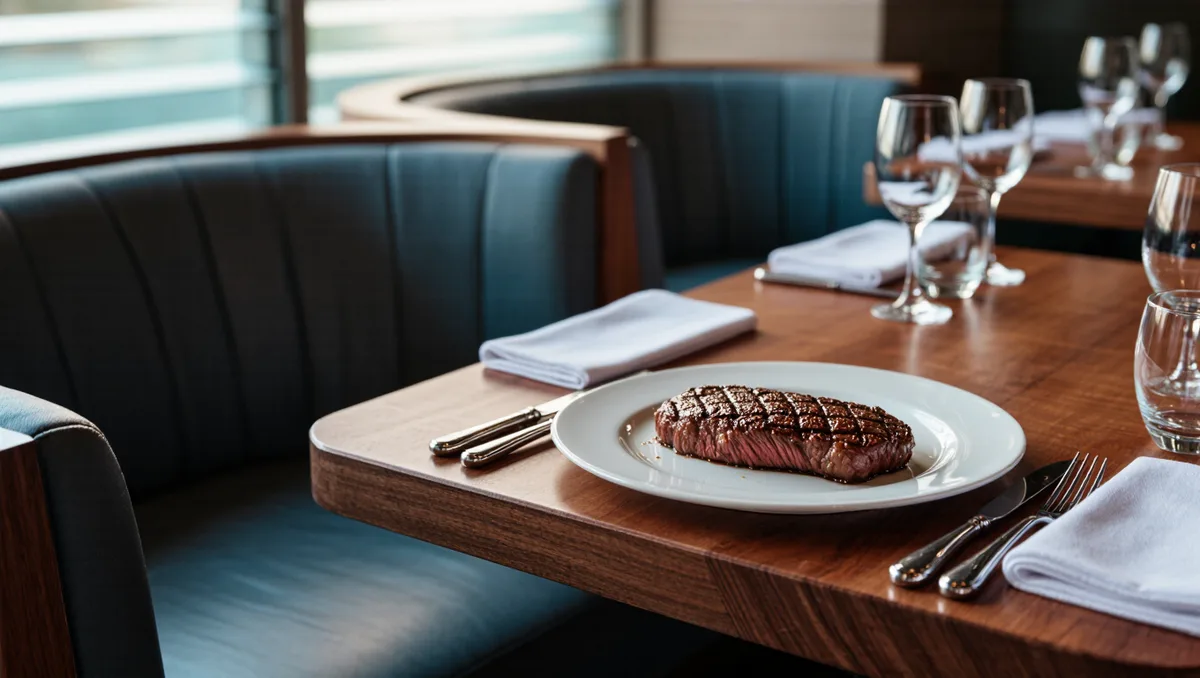
Flavor-wise, expect nutty, almost blue-cheese notes at the long end. Shorter programs, roughly two to three weeks, mostly tenderize and deepen the beef taste. If a long-aged cut sounds risky, that is what the strip steak is for. It keeps more of the clean beef flavor while still picking up some of the benefit.
How do Miami steakhouse price tiers break down?
Think in three tiers, and know what each one is buying. Our analysis of how these rooms charge, based on how the industry prices steak service generally, not on any single Miami menu:
- Old-guard glamour. White tablecloths, tableside service, a wine list the size of a phone book. You pay for the room and the ritual. The steak can be excellent, but the check carries the chandelier.
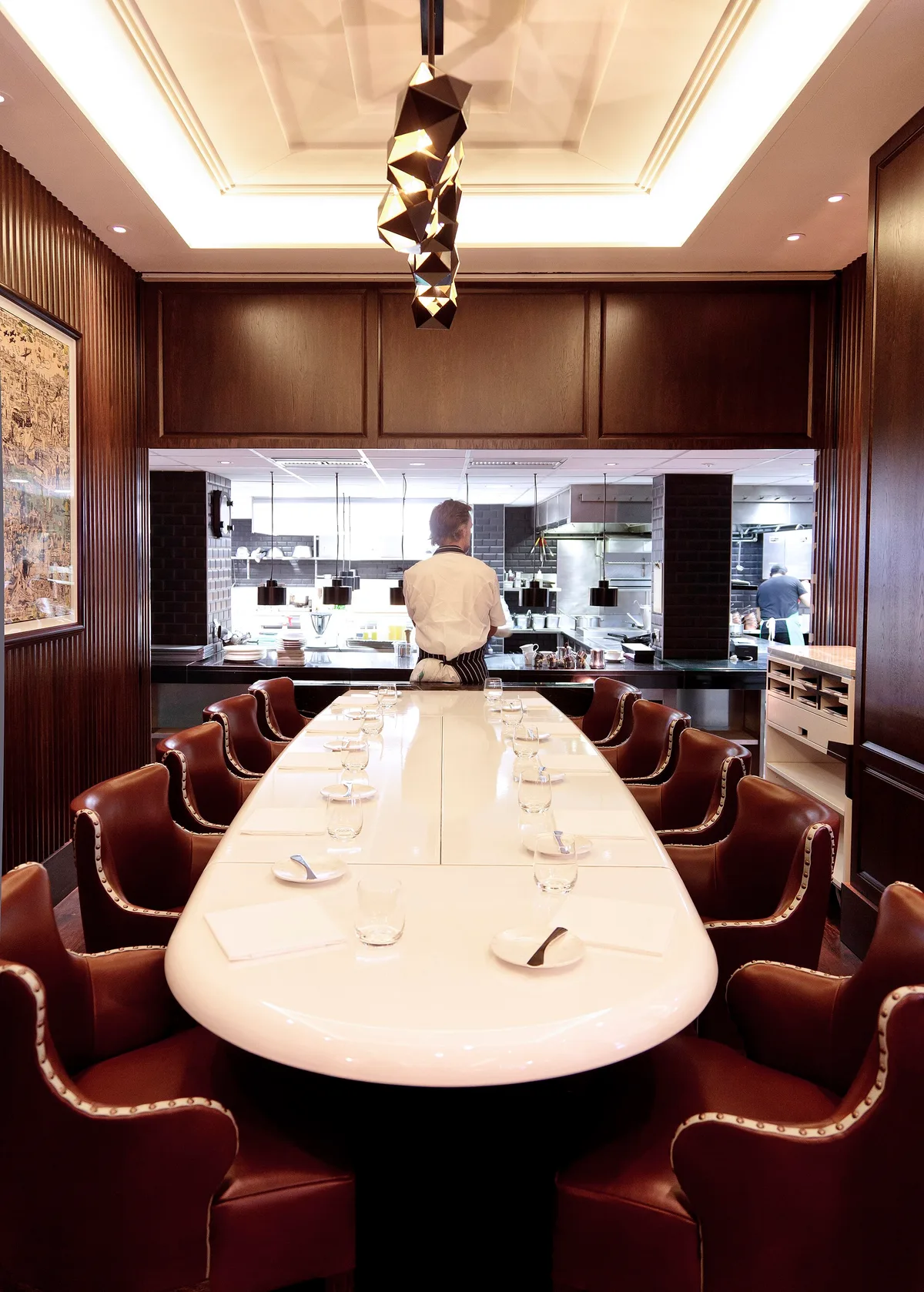
- Modern chef-driven rooms. Often in a hotel or a sleek commercial space. The beef program is usually the point here, with named farms, stated aging times, and a chef who treats the grill as a craft. Often the best value per bite.
- Neighborhood chophouses and Latin-inflected grills. Miami's own contribution: parrilla tradition, chimichurri, wood fire. Prices run lower, portions run friendly, and the atmosphere is looser. Some of the most satisfying steak in the city comes from this tier.
A practical rule of thumb: the further the room is from the kitchen, the more of your money goes to the distance. Waterfront views, valet lines, and celebrity-chef branding all show up somewhere on the bill. None of that is a scam. It is just worth knowing which column you are funding.
What should you look for in the room and the service?
Old-guard glamour is a real product, and Miami does it well. The question is whether the glamour is honest. A few checks that work in any steakhouse, anywhere:
- Ask about the aging program. A confident server answers with a number of days and a method. A vague answer tells you the kitchen buys pre-aged or doesn't age at all.
- Check the cut list. A serious room offers more than filet and ribeye. Look for a strip, a bone-in cut, and at least one thing you have not ordered before.
- Watch the sides policy. Legacy steakhouses often sell sides separately, which can double the per-person cost. Factor that in when you compare tiers.
- Order temperature, not vibes. A good kitchen hits medium-rare in the center with a proper sear. If a room cannot do that on a Tuesday, do not trust it with a Saturday.
One more Miami-specific note: service charges and tips stack here like anywhere in the city. Before you book, it helps to know what you actually pay on top — we broke that down in our guide to tipping and service fees in Miami. For related coverage, see Tipping and service fees in Miami: what you actually pay on top.
Where does Miami's steakhouse scene fit the city?
Steak country in Miami clusters where the money and the visitors are: Brickell's towers, the beachside hotels, and Coral Gables' older dining streets. But the city's real steak tradition runs through its Latin grills, where the cut might come with yuca, maduros, or chimichurri instead of a baked potato. According to Miami Tourism's 2026 guide to things to do in Miami, the city's neighborhoods each carry their own food culture — and Calle Ocho's Cuban kitchens are a world away from the beach's hotel dining rooms. The same is true of steak. A parrilla plate in Little Havana and a dry-aged porterhouse on Brickell are both Miami, and they are not competing for the same night.
If you want to sample the range without the full fine-dining spend, timing helps. Restaurant weeks and prix-fixe seasons turn some of these rooms into two-course bargains — our explainer on how Miami Spice works covers the mechanics. A steakhouse dinner at prix-fixe pricing is one of the better deals the city's dining calendar produces. We covered a connected angle in How Miami Spice actually works in 2026: dates, prices, and what's included.
What this means for your next steak night
Ranking steakhouses is less about a leaderboard and more about matching the room to the night you want. If the occasion is a celebration and the ritual is the point, the old-guard rooms deliver. If you care most about the beef itself, follow the aging programs and the cut lists. If you want a big plate and a relaxed room, the Latin grills win most nights of the week.
What the evidence supports is a process, not a promise: ask the aging question, read the cut list, price the sides and service before you sit down, and match the tier to the occasion. What remains unknown, from a distance, is how any specific kitchen is cooking this month — which is why the temperature test on a quiet weeknight is worth more than any review. And if the steak night is part of a larger move to the city, our neighborhoods coverage can help you pick the part of town that feeds you best.