Cuban coffee in Miami comes down to five drinks, and knowing them saves you money and embarrassment at the window. A single cafecito runs roughly $1.50 to $2.50 as of early 2026, a shared colada about $3 to $5, and a cafe con leche $3 to $5 — prices vary by neighborhood and are subject to change. Everything else is just those drinks with more or less milk.
Miami drinks more Cuban coffee per capita than any city in the country, and the ordering culture has its own unwritten rules. This guide walks through each drink, what it costs, where the ventanita clusters are, and the etiquette that marks you as a regular on your second visit.
What are the main Cuban coffee drinks in Miami?
All Cuban coffee starts with the same base: finely ground dark-roast espresso sweetened during brewing with whipped sugar, called espumita. From there the menu is short.
- Cafecito — a 1.5-to-2-ounce shot of sweetened espresso in a small plastic cup. The default order and the cheapest thing on the menu.
- Colada — the same espresso in a 4-to-6-ounce styrofoam cup with several small cups on the side, built for sharing. The office and job-site currency of Miami.
- Cortadito — a cafecito cut roughly half-and-half with steamed milk, served in a small cup. If you find straight espresso too strong, this is your drink.
- Cafe con leche — espresso with a larger pour of hot milk, usually 6 to 8 ounces, the breakfast drink. Locals judge a ventanita by it.
- Ichiban or heavy versions — some windows add a double shot or extra espumita on request; ask for it "bien cargado" if you want it strong.
How much should Cuban coffee cost in Miami?
Prices sit well below the national coffee-chain average, and they rise the further you get from the historically Cuban neighborhoods. The ranges below reflect typical window prices in early 2026 and are subject to change — some windows post cash prices a little lower than card prices.
| Drink | Typical price range | Servings | Best time |
|---|---|---|---|
| Cafecito | $1.50–$2.50 | 1 shot | Any time |
| Colada | $3–$5 | 4–6 shots, shared | Mid-morning |
| Cortadito | $2–$3.50 | Half coffee, half milk | Afternoon |
| Cafe con leche | $3–$5 | Coffee plus 6–8 oz milk | Breakfast |
Two budget notes. First, a colada is almost always the best per-cup value if you are with a group — one $4 order covers four people. Second, tipping at a ventanita is optional and modest: a dollar in the jar for a complex order or a cafe con leche with a pastry is normal; nobody expects a percentage on a $2 cafecito.
Where are Miami's ventanita clusters?
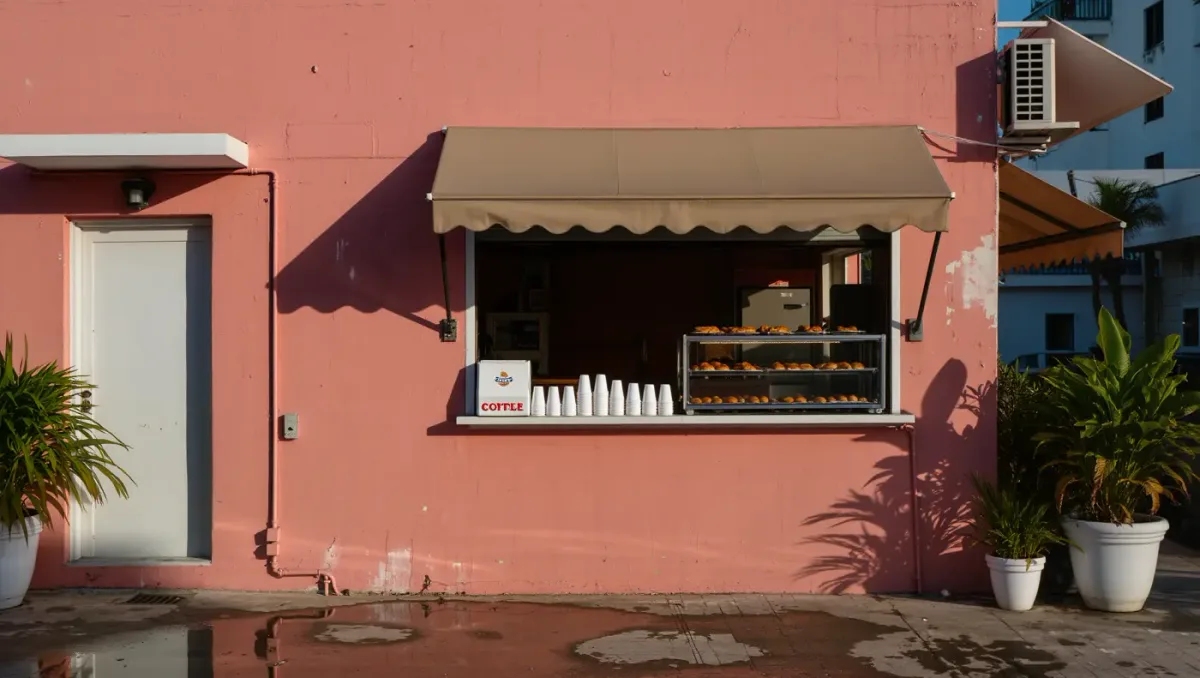
Ventanitas — the walk-up windows, usually a counter cut into a bakery or a standalone hut — cluster where the Cuban community has been for decades, and each zone has its own rhythm.
- Little Havana. Along and around SW 8th Street (Calle Ocho), between roughly 4th and 27th Avenues, you find the densest concentration of windows, bakeries, and cigar-adjacent cafes. This is the classic tourist-and-local mix; expect a line at peak morning hours and after lunch.
- Hialeah. The city with the highest share of Cuban-born residents in the county spreads windows along Palm Avenue, 49th Street, and the main commercial corridors. Prices here often run at the bottom of the ranges above, and the coffee is taken seriously.
- Westchester, Sweetwater, and Flagami. The residential belt west of the Palmetto where ventanitas sit in strip malls and bakeries. Morning lines of workers in uniforms, fast service, cash-friendly.
- Downtown, Brickell, and Wynwood. Cafes and windows catering to office workers; prices drift toward the top of the ranges, and the colada-to-go box for meetings is standard.
How do you order at a ventanita without holding up the line?
- Decide before you reach the window. Regulars order in under five seconds; the menu is short enough to memorize from this page.
- Say the drink name, then the size. "Un cortadito" or "una colada con siete vasitos" — the window will ask how many cups you want with a colada if you do not say.
- Pay however you like, but have small bills. Most windows now take cards, yet cash still moves fastest at morning rush.
- Share the colada properly. Take your cup, drink it fast — it is meant to be consumed hot and quickly — and pass the box along. The oldest or most senior person often drinks first; following that order earns quiet points.
What is the difference between Cuban coffee and regular espresso?
Three things: the roast, the sugar, and the pour. Cuban-style espresso uses a dark roast ground fine and pulled short, and the sugar is whipped into the first drops of the brew to make espumita — a light brown foam that sweetens the whole cup evenly, unlike a sugar packet stirred in afterward. The result tastes sweeter and rounder than an Italian espresso of the same volume, which is why a cafecito goes down in two sips while a traditional espresso is sipped. Demitasse strength means the caffeine per drink is modest — a cafecito carries roughly one espresso shot — but a full colada is six-plus shots, so share it as intended.
Can you make cortadito at home?
Yes, cheaply. You need a stovetop moka pot (the classic Italian aluminum kind, widely sold in Miami supermarkets for under $20), a bag of espresso-ground dark roast, and white sugar. Brew the moka pot as usual; whisk a few teaspoons of sugar with the first concentrated drips until pale and foamy, then pour the rest of the coffee through the foam and stir. Add hot steamed or scalded milk for a cortadito or cafe con leche. A bag of ground Cuban-style roast and sugar keeps the per-cup cost under roughly 40 cents — the reason many locals brew at home on weekdays and buy at the window socially.
When do Miamians drink Cuban coffee during the day?
The pattern is real and easy to copy. Morning is cafe con leche, usually with toast or a pastelito. Mid-morning, around 10, comes the colada run — the social coffee break that functions like an office coffee machine with better coffee. Early afternoon favors cortaditos, small enough not to ruin dinner. Late-day cafecitos are common before an evening drive, and windows near nightlife corridors pour them past midnight on weekends. If you are new to the city, adopting the 10 a.m. colada ritual is the fastest way to meet your neighbors.