Hurricane season runs June 1 through November 30 every year, and in Miami the practical prep window is May: supplies bought, documents copied, and a plan agreed before the first named storm forms in the Atlantic, per the National Hurricane Center's season calendar as of 2025. The household version of preparation is smaller than it looks — roughly $100 to $200 of supplies for a family, one hour of document work, and two conversations about where you would go and how you would reach each other. This checklist covers the apartment, the paperwork, and the week a storm actually approaches.
Miami In News publishes information, not advice; follow Miami-Dade County and National Weather Service instructions during any actual storm. The steps below are drawn from federal and county preparedness guidance as of 2025.
What should you do before June 1?
Everything on the early list is cheaper and calmer in May, when stores are stocked and nothing is moving in the tropics. Do it once, at the start of the season, and the rest of the summer is maintenance.
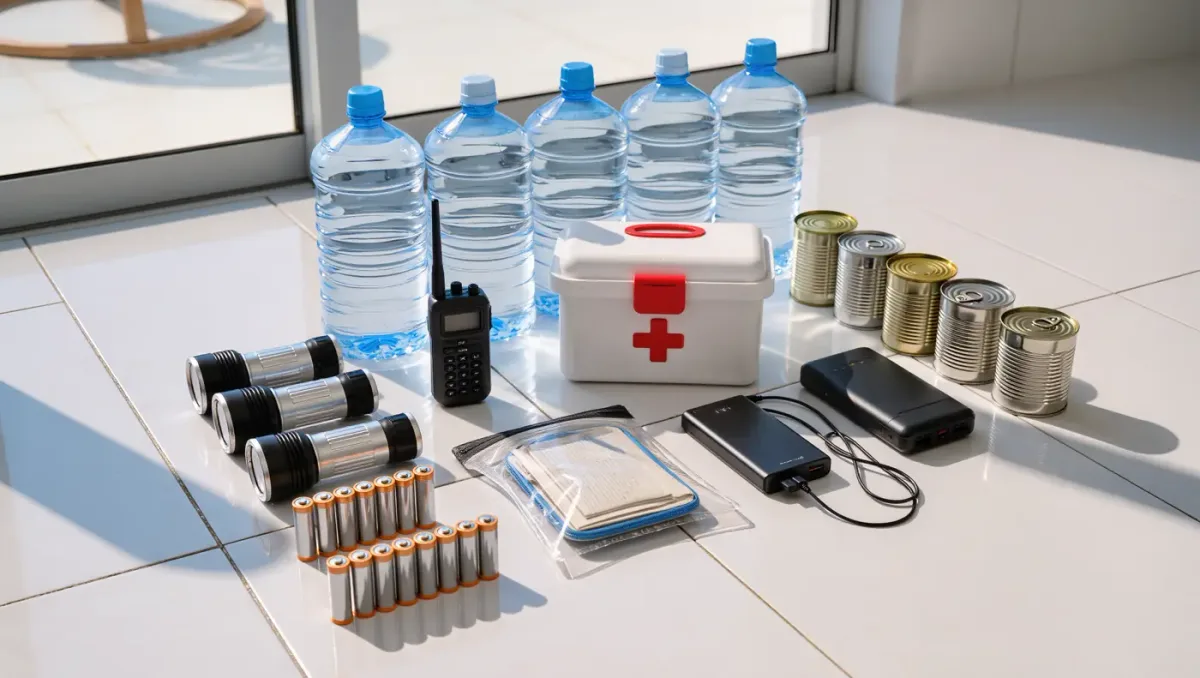
- Build a seven-day kit: one gallon of water per person per day, shelf-stable food that needs no cooking, a manual can opener, flashlights, batteries, a battery or hand-crank radio, first-aid supplies, and a week of any prescription medications.
- Add outage gear for heat season: power banks charged, battery-powered fans, and cash in small bills, since card systems fail with power.
- Photograph your documents — lease or deed, insurance declarations page, IDs — and store copies in cloud storage plus a waterproof bag.
- Photograph or video your apartment and belongings room by room for any insurance claim; date-stamp it.
- Decide your evacuation answer: do you live in an evacuation zone, a flood-prone ground-floor unit, or a mobile home? Miami-Dade County publishes its evacuation zone map, per county emergency management as of 2025; check your address once, not during a storm.
- Agree on a family communication plan: an out-of-area contact, a meeting point, and how the kids' school will notify you.
- Check your insurance: renters or homeowners policy in force, flood coverage understood as a separate policy, and wind deductible known, per Florida insurance market structure as of 2025.
What do watch and warning actually mean?
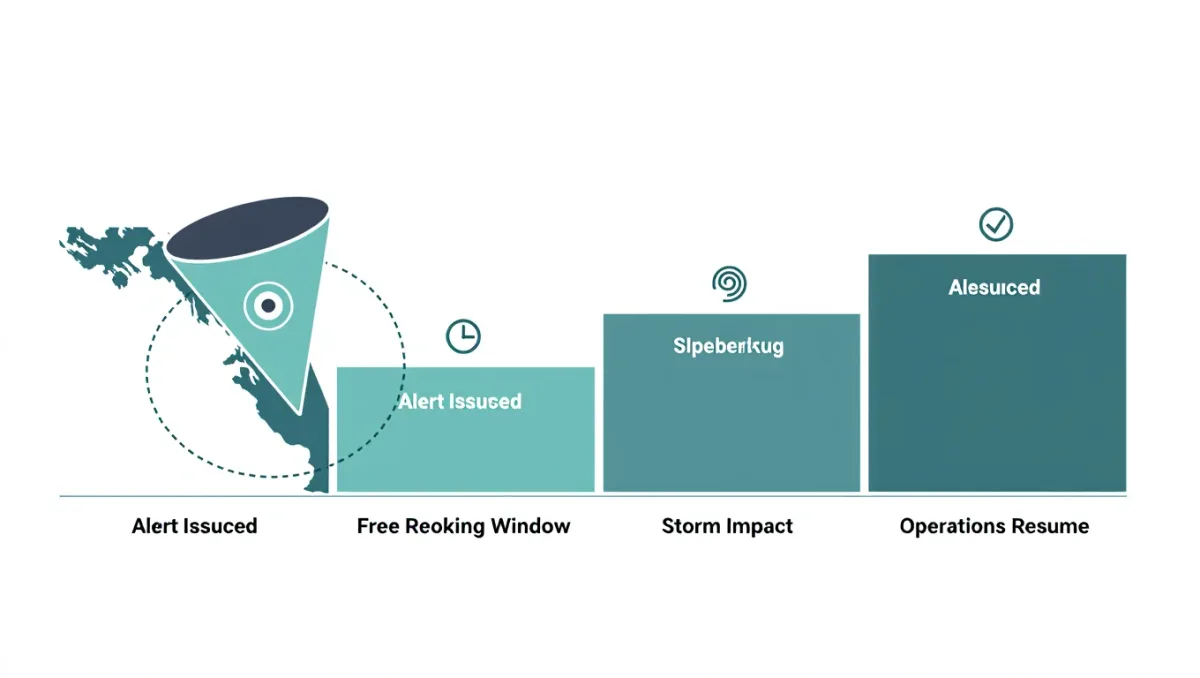
A tropical storm or hurricane watch means conditions are possible within about 48 hours — that is when you finish shopping, fuel the car, charge everything, and put up shutters if you have them. A warning means conditions are expected within about 36 hours — by then your outdoor prep should be done, per National Hurricane Center definitions as of 2025. The timing mistake most households make is treating the watch as a false alarm; in Miami the watch is the working deadline.
What do you do in the 48 hours before a storm?
The last-two-days list is short and physical. Work through it in order and you are ready before the outer bands arrive.
- Top off water: buy or fill containers to the seven-day mark, and fill the bathtub for flushing and cleaning.
- Charge phones, laptops, power banks, and any battery packs; freeze extra ice.
- Bring in balconies and yards: furniture, plants, anything the wind can lift.
- Install shutters or plywood if your building has them; do it in daylight, not during the warning.
- Fill the car with fuel and park it away from trees; if you have no car, confirm your ride out of an evacuation zone now.
- Withdraw some cash and refill medications at the pharmacy if refills are due.
- Text your out-of-area contact your plan and expected check-in times.
What about during and after the storm?
During the storm, stay away from windows and interior rooms, and treat the eye as the halfway point, not the end. After it passes, the dangers shift to standing water, downed lines, and generators — never run a generator indoors or in a garage, per federal safety guidance as of 2025. Report damage to your landlord in writing with photos, keep every receipt for repairs and supplies, and file insurance claims promptly; claim windows and documentation rules are strict in Florida, per state insurance procedures as of 2025.
What about pets, kids, and older family members?
Three additions cover most households. For pets: a week of food and medication, carriers or leashes, and a photo of you with the animal in case you are separated, per county pet-preparedness guidance as of 2025 — note that public shelters require pets to be crated and vaccinated. For kids: let them pack their own comfort bag with snacks, games, and a flashlight; the storm is easier on them when the kit is partly theirs. For older family members: confirm medications and any equipment that needs power, and decide in May who checks on whom when a watch is posted, not during the watch itself.
How does the checklist differ for renters?
Renters cannot shutter a building, but the renter-specific list is real: confirm your lease says who installs and who pays for hurricane protection, buy renters insurance well before June because carriers restrict binding new policies once a storm is in the forecast, and know your building's management emergency contacts. Flood coverage is separate from renters insurance, per the National Flood Insurance Program structure as of 2025, and contents-only flood policies for renters are comparatively inexpensive — worth pricing if you live at ground level. Ask the manager how the building secures the lobby, garage, and pool furniture, and where the shutters are stored if your unit has them.
What is the minimum a Miami household actually needs?
The honest minimum is a seven-day kit, digital copies of documents, a known answer to the evacuation-zone question, and a family plan — a single afternoon of work in May, per county and federal preparedness guidance as of 2025. Miami's building codes are among the strictest in the country for wind, so for most residents in post-2002 construction the realistic risk is a long power outage rather than structural damage. Prep for the outage and you have prepared for the season.