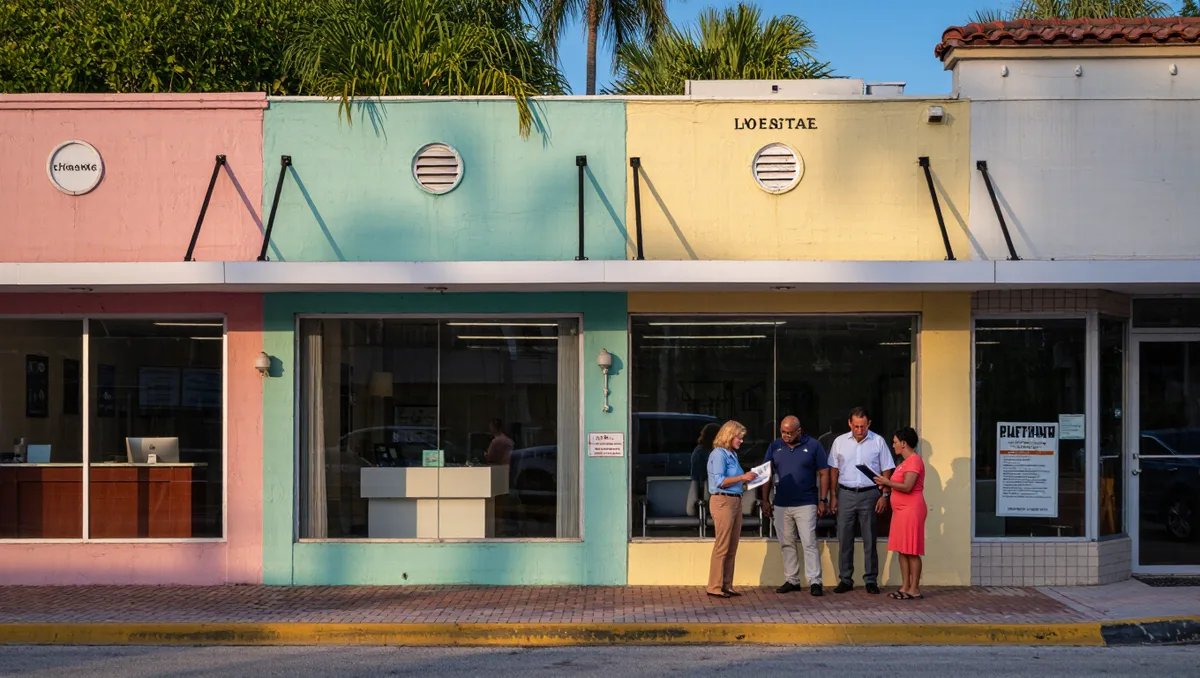
If you rent in Miami and notice a 1970s condo tower suddenly sporting leasing-office signs, you are seeing a deconversion: investors buy out a building's condo owners, terminate the condominium regime, and re-enter the units as rentals. The mechanism is legal and specific — under Florida law, owners holding 80% of a condominium can terminate the association unless more than 10% of unit owners object, per a Franklin Street legal analysis of the statute, which is the provision bulk buyers rely on.
How active is the trend in South Florida?
It has run hot for three years. Per The Real Deal's reporting, 2023 saw the highest number of bulk condo buyouts in South Florida since 2019, and deals continued through 2024 and 2025 as older buildings faced milestone-inspection and reserve-funding costs. The pressure shows up in sales data too: per the Miami Realtors' November 2025 report, affordable condo sales in the $200,000-to-$400,000 range jumped 21% year over year — 135 to 164 closed sales — with older units moving faster than newer ones as owners of aging buildings headed for the exits.
What happens to the units afterward?
After a bulk sale, the buyer typically repositions the building as apartments, which removes units from the for-sale inventory and adds them to the rental market after renovation. The timeline varies: per title-industry guidance, straightforward conversions take four to six months, while complex ones can run more than two years. For current owners, the buyout price is negotiated unit by unit; for renters who later lease in the building, the units often come back at freshly set market rents.
What does this mean for renters and buyers?
For renters, the effect cuts both ways. Renovated deconversion buildings add rental supply in established neighborhoods, which supports negotiation at the margin — but if your landlord sells to a bulk buyer, your lease survives only on its current terms, and a building-wide repositioning can mean non-renewals, so know your lease's renewal and termination clauses before the building changes hands. For buyers priced out of the condo market, deconversions shrink the affordable for-sale stock — the same older buildings that used to be Miami's entry-level condos — which pushes entry-level buyers toward townhouses and single-family rentals instead. For condo owners in aging buildings, the practical math is that inspection and reserve bills make a bulk offer look better every year, which is why the trend, per The Real Deal's tracking, has outlasted every prediction of its end. As of May 2026, no statute change had altered the 80% termination threshold, making it the number to watch in Tallahassee.