South Miami is its own small city just south of Downtown's orbit, straddling US-1 around Sunset Drive, and as of April 2026 its typical one-bedroom rent ran roughly $1,900 to $2,600 a month, per Zillow neighborhood-level data — below Coconut Grove next door, with a walkable downtown core, its own police department, and a Metrorail station inside the city limits. It is one of the few Miami-area municipalities where a car-light routine is genuinely workable.
This guide covers where South Miami's lines run, what housing costs by type, what the commute buys, and the honest trade-offs of the quietest close-in option in the southern corridor. It publishes information, not housing advice; figures carry source and month on their face.
Where is South Miami, exactly?
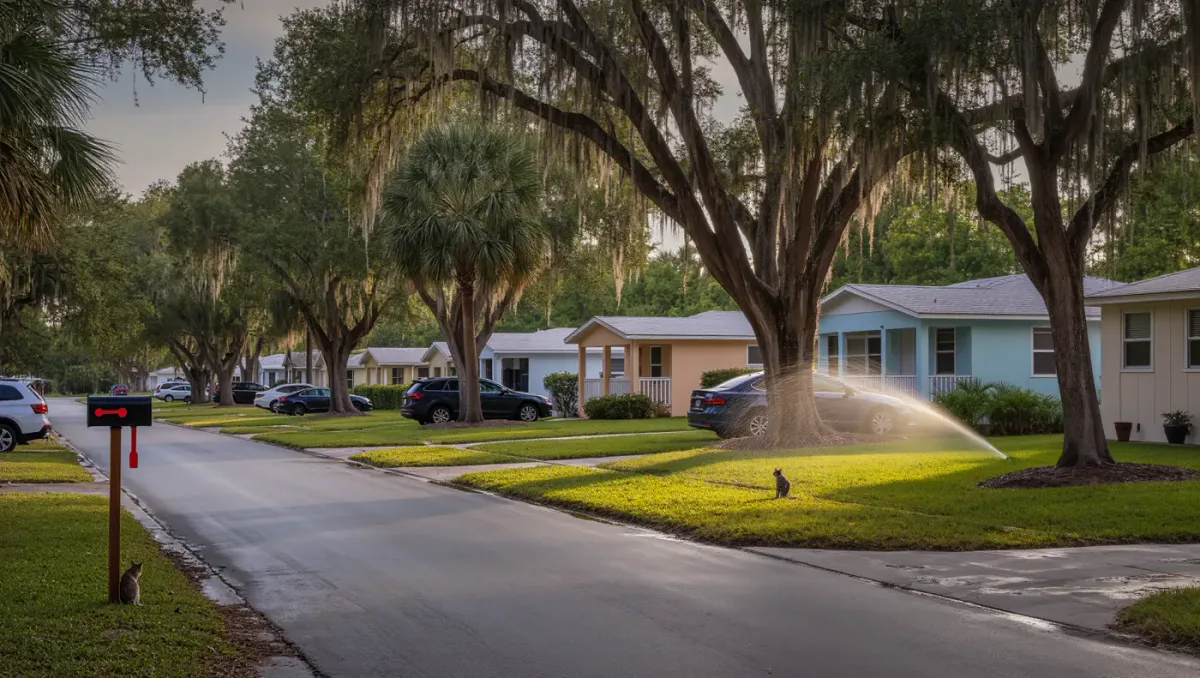
South Miami is an incorporated city in Miami-Dade County, bounded roughly by SW 72nd Street (Sunset Drive) corridor areas on the north, the city of Coral Gables and unincorporated areas on the east, US-1 running diagonally through its center, and the Pinecrest and unincorporated edges to the south and west. Its downtown is the compact grid around Sunset Drive and South Dixie Highway, anchored by restaurants, small retail blocks, and professional offices, with the transit-oriented blocks by the Metrorail station at its eastern edge.
Boundary practicalities: if your address says Miami but sits west of US-1 near Sunset, you may be in unincorporated Miami-Dade, not the city of South Miami — different police, different permitting, different rental rules. Confirm the municipality on the county's property search before you compare anything.
What does housing cost?
As of April 2026, per Zillow neighborhood figures, studios in South Miami mostly listed around $1,500 to $1,900, one-bedrooms roughly $1,900 to $2,600, and two-bedrooms from about $2,500 to $3,400. The stock is a mix of 1950s–1970s garden apartments, duplexes, and a meaningful share of single-family homes on mature lots — more houses than renters' districts to the north, which keeps the apartment supply thin and steady.
| Unit type | Typical range, Apr 2026 (per Zillow) |
|---|---|
| Studio | ~$1,500–$1,900 |
| 1-bedroom | ~$1,900–$2,600 |
| 2-bedroom | ~$2,500–$3,400 |
| 3-bedroom house | ~$3,500–$5,000 by condition |
Prices run below Coconut Grove's comparable bands by several hundred dollars, per the same Zillow data, largely because the city's housing is older and its new-construction pipeline small. The few newer buildings near the station rent at a premium; the garden apartments west of US-1 set the floor.
Can you live there without a car?
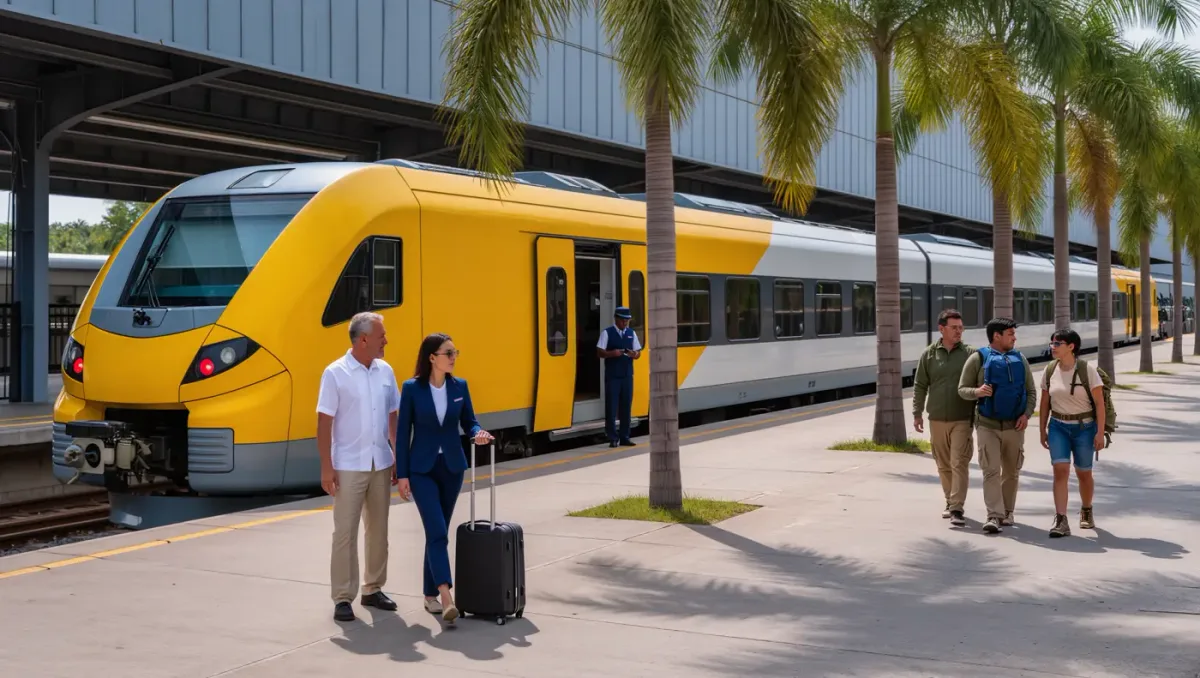
More easily than almost anywhere else this far south. The South Metrorail station sits at US-1 and Sunset on the city's eastern edge, a 25-to-35-minute ride to Downtown and a one-transfer connection toward the airport, per Miami-Dade Transit schedules as of 2025. The downtown grid puts grocery, pharmacy, restaurants, and the movie theater within a 10-to-15-minute walk of most addresses east of US-1.
The limits: big-box errands live at the Dadeland-adjacent centers one station south, and weekend beach runs take 35 to 45 minutes by car. A one-car household works well here; a zero-car household works if you live within the downtown grid or a short bike ride of the station and accept delivery for the big runs. Cyclists get US-1-parallel side streets and the Snapper Creek-adjacent paths westward, though arterial crossings demand care.
Who lives in South Miami?
Census Bureau ACS 2023 five-year estimates show a stable, older-skewing population with above-county-median household income, high owner occupancy, and a mixed Hispanic and non-Hispanic composition — a residential municipality that grew up around the hospital and the old US-1 highway economy rather than around the rental market.
For a renter, that profile translates into specific conditions: quiet streets with real enforcement, a small-town government responsive to residents, limited nightlife, and landlords who are often small local owners rather than institutional operators. Turnover is slow, so good listings are scarce but negotiating is harder to anchor on volume.
How does South Miami compare with its neighbors?
On the same criteria, the southern corridor sorts cleanly, per Zillow neighborhood data for April 2026 and 2025 transit information. Coconut Grove offers more character and the bay for several hundred dollars more per unit; Coral Gables offers polish and stricter rules at a further premium; Pinecrest is nearly all single-family and no rental core. South Miami is the corridor's value-and-transit stop.
| Criterion | South Miami | Coconut Grove | Pinecrest |
|---|---|---|---|
| 1-bed range, Apr 2026 (per Zillow) | ~$1,900–$2,600 | ~$2,200–$3,000+ | Rare — mostly houses |
| Rail access | Station in the city | Bus transfer | None |
| Walkable core | Yes, compact | Yes, larger | No |
| Nightlife | Minimal | Moderate | Minimal |
If a listing in any of the three looks underpriced, check the municipality first — border addresses trade on the famous name while carrying different services, school assignments, and rules. The county property search settles it in a minute, and it is the single cheapest due-diligence step in this corridor.
What should you check before signing in South Miami?
Three checks cover most of the risk. First, municipality: run the address through the county property search and confirm the city, because services, police response, and rental registration differ between South Miami, Coral Gables, Pinecrest, and unincorporated Miami-Dade. Second, building systems: with stock that largely predates 1980, ask the age of the air-conditioning, roof, and electrical panel, and what the landlord replaces versus what you inherit in a breakdown.
Third, flood and drainage: the city sits on higher ground than the coastal districts, but heavy-rain ponding shows up on specific low blocks, per FEMA mapping as of 2025 — ask the landlord directly whether the address has flooded and check the parcel's zone. Add a commute test on the actual Metrorail departure you would take, and the file is complete.
What are the trade-offs?
- Nightlife and late retail: the downtown grid closes early; Brickell's hours are 25 to 35 minutes away by rail or car.
- Thin apartment supply: one- and two-bedroom listings appear in single digits most months, so timing matters more than bargaining.
- Aging systems: much of the stock predates 1980; ask about air-conditioning, roofing, and electrical before signing.
- Municipal confusion: addresses near the borders may be Coral Gables, Pinecrest, or unincorporated county — verify which city services and rules actually apply.
South Miami's pitch is simple: Grove adjacency and rail access at garden-apartment prices, wrapped in a quiet residential government that keeps things the way they are. If your routine runs on the Metrorail's south line and your budget tops out near $2,500, the April 2026 numbers above make it the obvious stop to price first.