Coral Way is the residential district Miami keeps between SW 8th Street and the Coral Gables line, and its typical one-bedroom rent ran roughly $1,900 to $2,600 a month as of November 2025, per Zillow's neighborhood figures. If you want a single sentence: you get 1920s bungalow blocks, mature banyan shade, and a walk to Cuban bakeries, at prices below Coconut Grove and with fewer new towers than anywhere within ten minutes of Downtown.
This is an information guide, not real estate advice. Below you will find the real boundaries, what different unit types cost, how the commute works, and the trade-offs — including the ones sellers' listings tend to skip. Figures carry their source and month on their face; re-check them before you sign anything.
Where are Coral Way's actual boundaries?
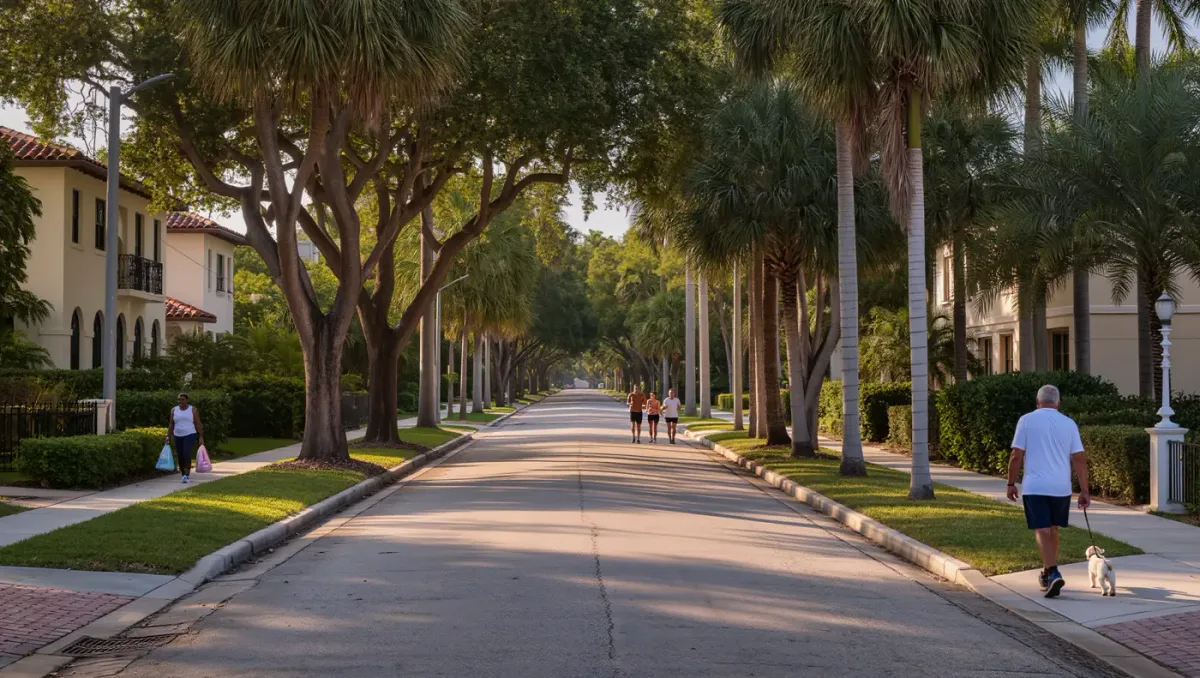
The neighborhood runs from SW 8th Street (Calle Ocho) on the north to the South Dixie Highway (US-1) corridor on the south, from roughly SW 17th Avenue on the east to the city of Coral Gables boundary near SW 37th Avenue on the west. Its namesake spine is SW 22nd Street — the historic Coral Way boulevard — one of the country's first tree-lined arterial roads, planted with banyans and oaks in the late 1920s.
Two boundary notes save you trouble. First, the Miami city neighborhood and the Coral Gables border are not the same thing: west of about 37th Avenue you are in the Gables, with its own rent levels and permitting. Second, listings south of US-1 sometimes borrow the Coral Way name; those blocks are generally marketed as Silver Bluff or Shelfar / Viceroy-adjacent areas by residents.
What does rent cost in Coral Way?
As of November 2025, per Zillow neighborhood-level data, studios mostly listed between about $1,400 and $1,800, one-bedrooms between roughly $1,900 and $2,600, and two-bedrooms from about $2,700 to $3,800. Single-family homes — and this neighborhood is mostly single-family and small multifamily — ranged widely by condition, with updated three-bedrooms commonly appearing in the $4,000s.
| Unit type | Typical range, Nov 2025 (per Zillow) |
|---|---|
| Studio | ~$1,400–$1,800 |
| 1-bedroom | ~$1,900–$2,600 |
| 2-bedroom | ~$2,700–$3,800 |
| 3-bedroom house | ~$3,800–$5,500 by condition |
Three factors move you inside these ranges. Block quality relative to 8th Street traffic; whether the building was renovated or keeps original 1940s–1950s systems; and parking — older quadraplexes sometimes rent with one assigned space or none, which matters more than it sounds on these narrow streets.
Who lives here?
Census Bureau ACS 2023 five-year estimates for the Coral Way area show a predominantly Hispanic population — Cuban-American households form a large, long-tenured share — alongside younger professional arrivals. Median household income sits above the City of Miami median, and owner occupancy is higher than in the renters' districts to the north, which shapes daily life: quieter streets, slower turnover, fewer big leasing operations.
For a renter, that tenure profile has a practical meaning. Your neighbors are more likely to have lived on the block for a decade than a semester. Expect block parties around the holidays, code-conscious yard upkeep, and a landlords' market that is informal — many smaller owners, some renting word-of-mouth.
What is daily life like without getting in the car?
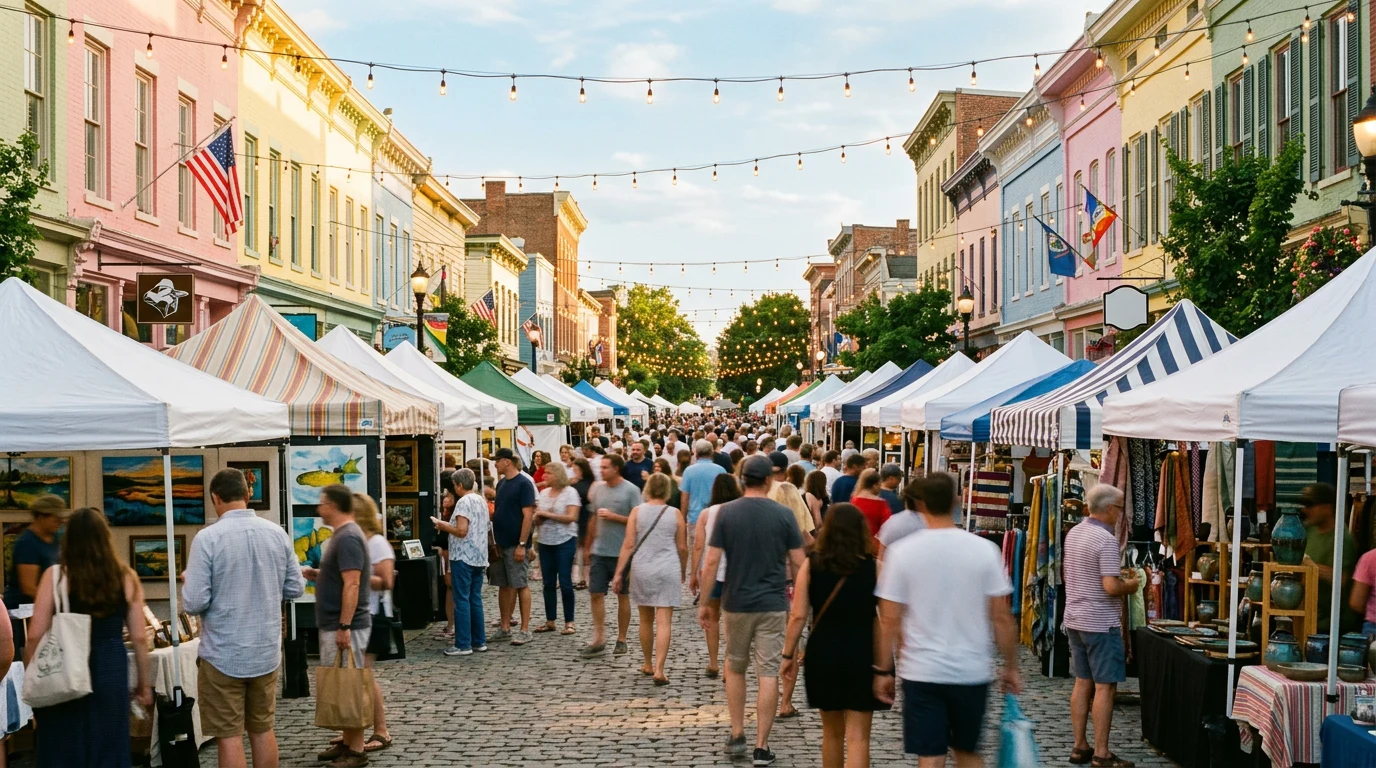
Walkable errands concentrate on Calle Ocho and the Gables-adjacent western blocks: cafecito windows, bakeries, pharmacies, and the Miracle Mile shopping district across the line. The banyan-shaded SW 22nd Street corridor itself is one of Miami's pleasant bike rides, running straight toward the Gables' Granada entrance.
Eating and coffee are the easy part. The stretch of Calle Ocho along the neighborhood's north edge is lined with decades-old cafeterias, ventanita counters, and panaderias, and the western blocks near the Gables line add sit-down options within a 15-minute walk of most of the district. Prices run below Brickell's for comparable plates; a cafecito and tostada at a ventanita remains one of the cheapest breakfasts in the city, subject to change location by location.
Two honest limits. Fresh grocery is thinner inside the neighborhood than in the Gables or at the US-1 centers; most residents drive or bike ten minutes to a full supermarket. And after 10 p.m., activity on the residential blocks drops to nearly nothing — nightlife lives on 8th Street, in the Gables, or downtown.
How is the commute?
By car, Downtown Miami is typically 15 to 25 minutes and Brickell 10 to 20, per ordinary Miami-Dade travel patterns as of 2025, with US-1, SW 8th Street, and the 836 expressway as the main spines. Miami International Airport sits about 15 minutes northwest via 836 or NW 7th Street.
Transit is functional but limited. Metrobus routes along 8th Street connect to Downtown and to the Metrorail at the 8th Street/ Santa Clara-adjacent stations; the Coconut Grove and Douglas Road Metrorail stations serve the southern edge via a transfer or a 15-minute bike. If you commute to Brickell, the bus-to-Metrorail move works; test your exact door-to-door time once before committing to a car-free lease.
What about schools and families?
Coral Way sits inside Miami-Dade County Public Schools, and the neighborhood's K-8 option on SW 22nd Street carries a historic bilingual program, per the district's school directories as of 2025. Boundaries are assigned by address, and they change occasionally — verify your exact address on the district's locator before renting on school grounds rather than taking a listing's word.
Family logistics are otherwise straightforward: shaded sidewalks, three small parks in the district's eastern half, and low cut-through traffic on interior streets. Dog owners use the Gables' parks across the line, which are open to non-residents on the same terms as residents for most facilities.
What are the honest trade-offs?
- Aging housing stock: original electrical and plumbing in pre-1960 buildings means you should ask about updates before signing.
- 8th Street noise: units facing Calle Ocho trade convenience for traffic sound; interior-block units are quieter.
- Slower change: fewer new buildings means fewer resort-style amenities at the mid-range — you rent character, not a gym.
- Car convenience: this is still a car-first neighborhood for big grocery runs, despite its walkable corners.
If your budget sits between $2,000 and $2,600 for a one-bedroom and your priorities are shade, stability, and a short Brickell commute, Coral Way's January 2026 numbers make it one of the closest-in neighborhoods where that combination still pencils.