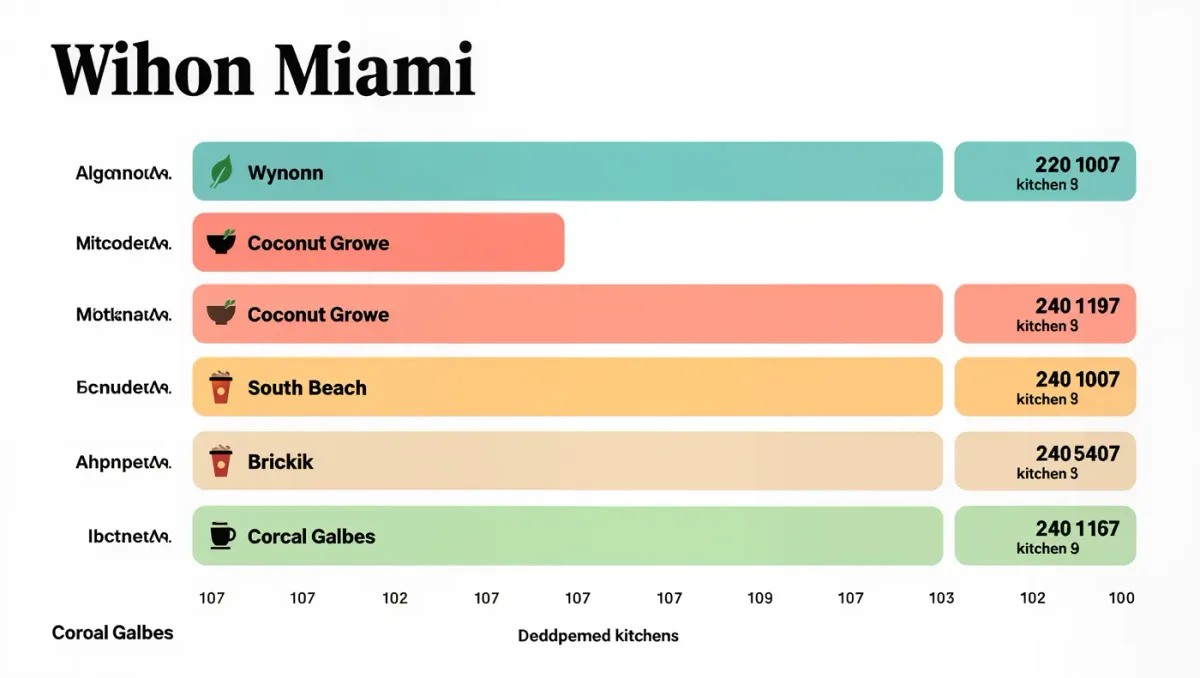
For vegan and vegetarian eating in Miami, three neighborhoods carry most of the scene: Wynwood and the adjacent design corridors for dedicated vegan kitchens, Coconut Grove for health-food cafes, and South Beach for both volume and late hours. A plant-based lunch runs roughly $13 to $20 as of April 2026, with bowls and Latin vegetable plates at the lower end. Everywhere else, you adapt rather than order.
Miami's plant-based map follows its fitness and wellness economy, which concentrates in a few districts, while the county's great Cuban and Latin counters — a vegetarian challenge on paper — hide more options than their menus admit. This guide walks the neighborhoods in order of strength and prices what you will actually pay. All prices are estimated ranges, subject to change.
Which Miami neighborhoods have the deepest vegan scenes?
The gap between the top zones and the rest is real, so plan around it.
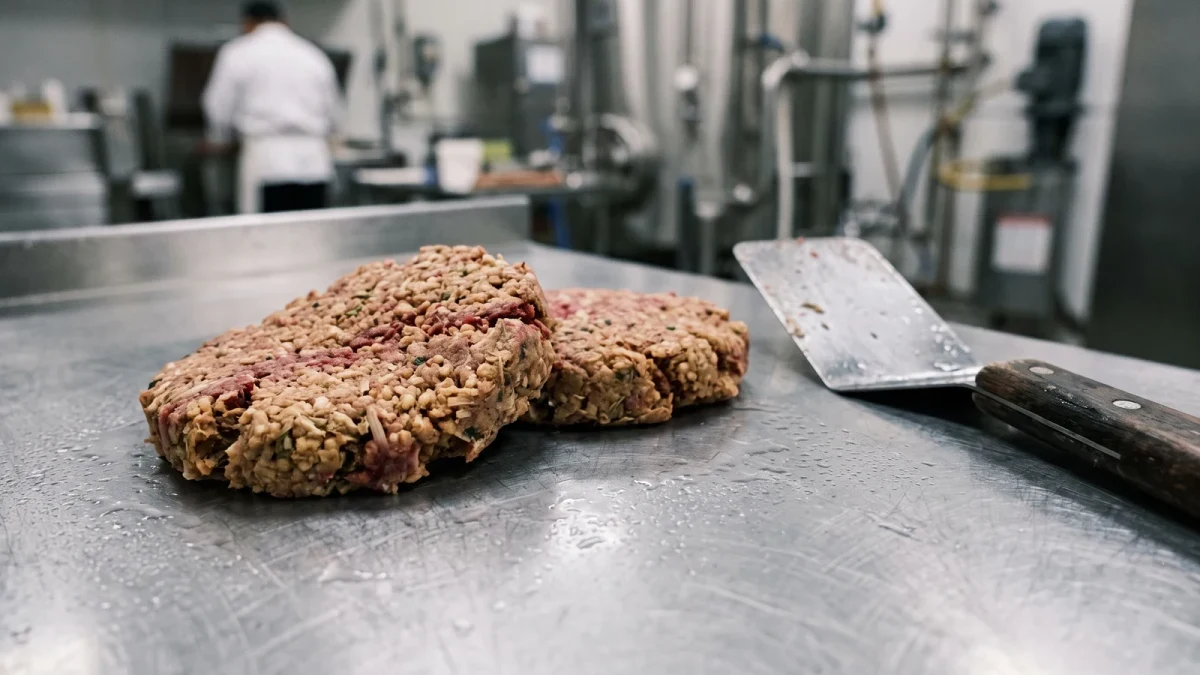
- Wynwood and the design corridor. The strongest concentration of fully vegan kitchens in the county: plant-based burger counters, Latin-fusion vegan spots, juice and acai bars, and bakeries with vegan cases. Lunch at $14 to $20, dinner mains $16 to $24.
- Coconut Grove. The health-food heartland — smoothie bowls, grain bowls, vegetarian cafes with big salads and wraps, near the waterfront walking crowd. Prices run higher per calorie: $16 to $24 for lunch that often skews vegetarian rather than strictly vegan.
- South Beach. The broadest volume: dedicated vegan restaurants, kosher-adjacent vegetarian options, and late hours the other zones lack. Expect tourist-inflated checks, $18 to $28 for dinner mains, and the best 11 p.m. vegan pizza in Miami.
- Brickell. Fewer dedicated kitchens, more mainstream menus with vegan entries — bowls, poke, Mediterranean plates. Workday-friendly, $16 to $22 at lunch.
- Coral Gables. Upscale vegetarian-friendly rooms and Middle Eastern counters that solve the problem gracefully; a lighter density, checks skewing $20 and up.
Can you eat vegan at Miami's Cuban and Latin counters?
Yes, more than the menu shows, though it takes ordering around the meat. The reliable builds: black beans and white rice (confirm no lard or pork flavoring — many counters cook beans with chicharon), maduros or tostones, avocado salad, and yuca with mojo. That combination runs about $8 to $13 at neighborhood counters as of early 2026 and is one of the best price-to-quantity vegan plates in Miami. Colombian bakeries add arepas — the plain and cheese versions are vegetarian by default — plus empanadas with potato-and-cheese filling at some counters. Ask two questions at any Latin counter: what is in the beans, and is the sofrito made with animal fat. The answers decide the meal.
How much does vegan food cost in Miami compared to regular lunch?
| Format | Typical vegan/vegetarian plate | Comparable standard plate |
|---|---|---|
| Vegan counter (Wynwood-type) | $14–$20 | $12–$16 |
| Health cafe (Grove-type) | $16–$24 | $14–$18 |
| Latin counter (adapted order) | $8–$13 | $10–$16 |
| Upscale plant-based dinner | $22–$34 | $32–$52 |
The honest pattern: dedicated vegan kitchens charge a modest premium at the casual level, health cafes charge more per calorie, and the adapted Latin counter is the cheapest vegetarian plate in the county. Prices are typical as of April 2026 and subject to change.
Where do vegans struggle in Miami?
In the zones between the big three. Little Haiti, Hialeah, and much of Westchester and Kendall have plenty of adaptable counters but few dedicated kitchens, so a strict vegan eats beans, rice, plantains, and arepas — genuinely good food, but repetitive across a week. Two practical workarounds: the county's supermarket hot bars and juice counters, which have improved markedly, and weekend farmers markets in the Grove, Brickell, and Upper East Side, where prepared vegan vendors set up weekly. If you live outside the core zones, batch-cooking plus one weekly trip to Wynwood or the Grove is the realistic pattern.
Is Miami getting more vegan-friendly?
Directionally yes, on evidence you can see without a study. Fully vegan kitchens have moved from novelty to ordinary in Wynwood and South Beach over the past several years, mainstream counters now list plant-based items by name rather than by omission, and food halls typically include at least one vegan-forward stall. The limits are geographic and economic: the dedicated scene clusters where wellness spending concentrates, and a plant-based plate still prices above its meat equivalent at casual counters. For a resident, the practical summary is simple — live near the corridors above and the diet is easy; live in the suburbs and it takes planning.
What should vegans order at a Miami food hall?
Food halls solve the mixed-group problem, and the vegan order is usually stronger than the stall count suggests. Scan for the Latin and Mediterranean stalls first: an arepa dominó, a falafel wrap, a roasted-vegetable bowl, or a jackfruit taco reads as a full plate at $10 to $16. Juice and acai stalls cover dessert. One caution: food-hall fryers are often shared across stalls, so strict vegans with cross-contact concerns should ask which fryer the tostones use — or order the grilled and fresh preparations instead. As of April 2026, most Miami food halls keep at least one vegan-forward stall, and the format means the rest of your table never has to compromise.
How do you handle dinner parties and shared tables?
Miami group dinners default to Latin and seafood tables, and the vegan strategy is to order the sides as a meal plus one shared starter. At a Cuban table: black beans, rice, maduros, yuca, avocado, and a green salad feed a vegan fully for $12 to $18. At a steakhouse-leaning room, call ahead — Miami kitchens of any ambition will plate a vegetable entree with a day's notice, and many now list one. The city's casual dining culture makes this easier than it sounds; no server here blinks at an order of four sides and a plate of tostones.
What is the best budget strategy for plant-based eating in Miami?
- Anchor on Latin counters. Beans, rice, plantains, and avocado at $8 to $13 beats any dedicated vegan counter on price and quantity.
- Treat Wynwood as the treat. The dedicated kitchens are worth visiting; they are not worth funding five lunches a week.
- Use the farmers markets. Prepared vegan vendors price under their brick-and-mortar equivalents, and one market morning stocks several meals.
- Split the health-cafe check. Grove portions run large enough that a bowl plus a side covers two lighter appetites.