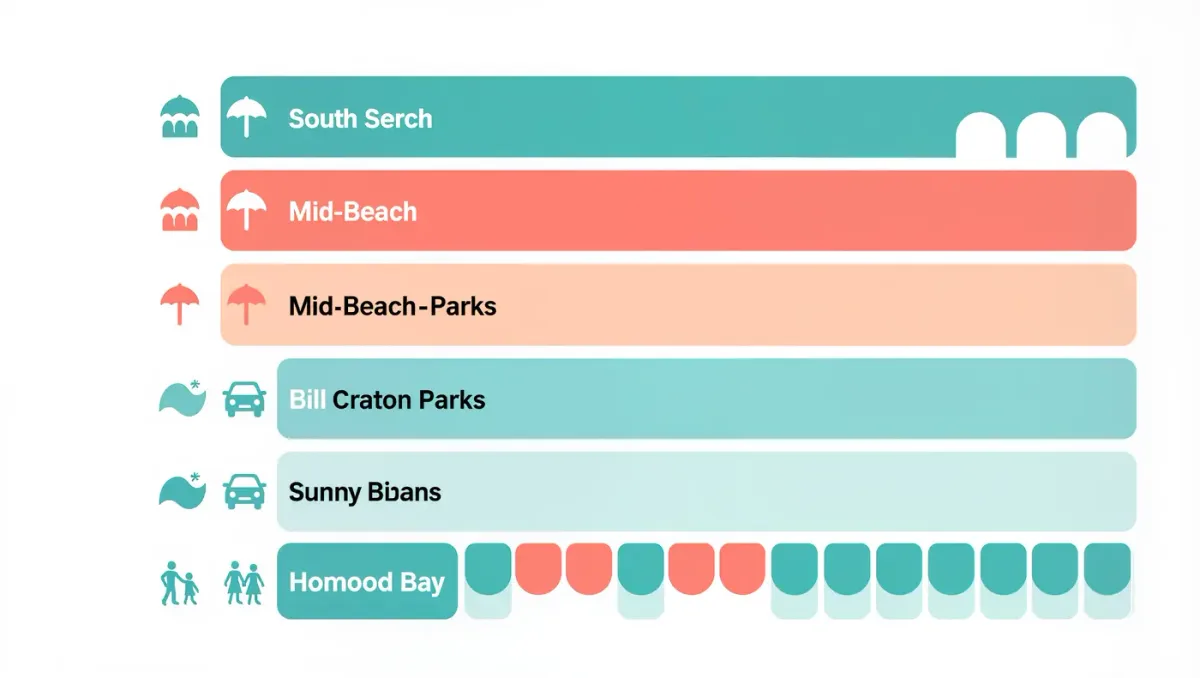
The right Miami beach depends on what your day needs: South Beach for people-watching and walkability, Mid-Beach for space with a city skyline, Key Biscayne's Crandon and Bill Baggs for calmer water and nature, Sunny Isles for a quieter wide-sand strip, and Homestead's bay beaches for a family day far from the crowds, based on county and municipal park facilities as of 2025. Distance, parking costs, and crowd levels differ more between these beaches than new arrivals expect. The table below compares them on identical criteria.
Miami In News publishes information, not advice. Facilities and fees change; confirm current parking rates and hours with the managing park or city before you drive, and always check posted conditions and any advisory flags before swimming.
How do the main beaches compare on the same criteria?
Each beach below is scored on the same five lines: crowd level on a typical weekend, parking reality, water and sand character, food and facilities nearby, and who the beach suits best.
| Criteria | South Beach (Lummus and vicinity) | Mid-Beach | Crandon Park, Key Biscayne | Bill Baggs, Key Biscayne | Sunny Isles | Homestead Bayfront |
|---|---|---|---|---|---|---|
| Weekend crowds | Highest | Moderate-high | Moderate | Moderate | Low-moderate | Low |
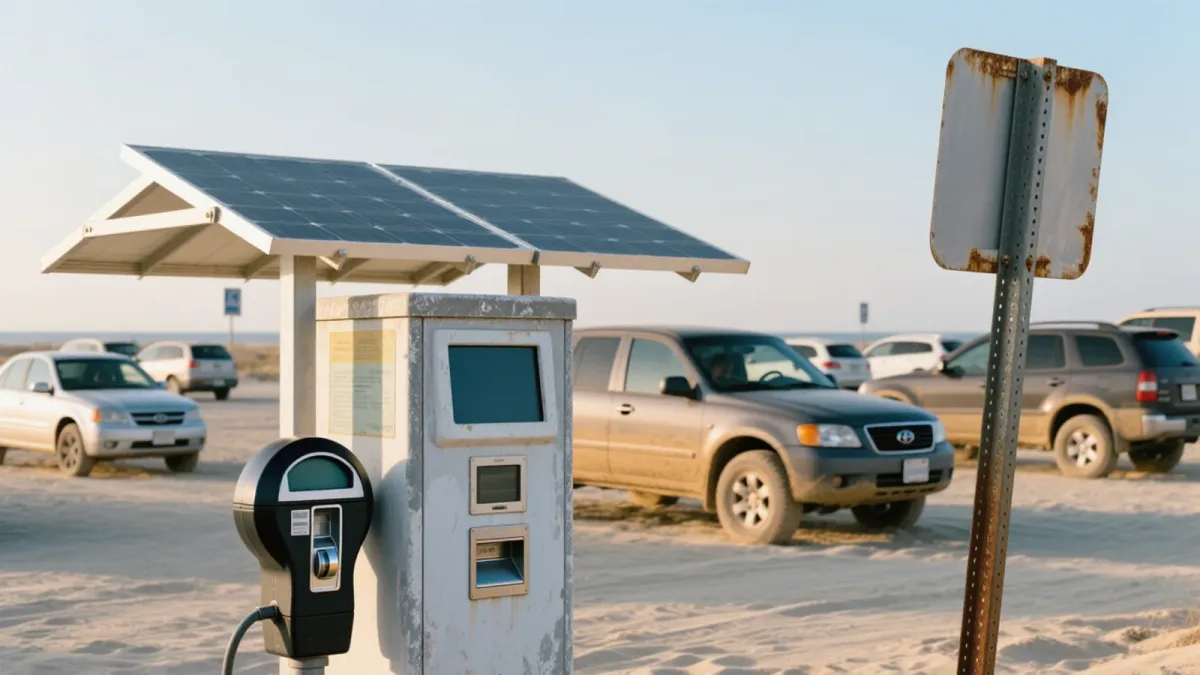
| Parking | Garages and meters, tight on weekends | Meters and lots, easier than South Beach | County lot, fee-based | County lot, fee-based | City lots and meters | Park lot |
| Water and sand | Wide sand, lively surf line | Wide sand, calmer stretches | Gentle shallow water, natural dunes | Calm water, rocky inlet edges | Wide sand, urban backdrop | Calmer bay water |
| Food and facilities | Walk to everything on Ocean Drive | Hotels and cafes at intervals | Concessions and rentals in season | Lighthouse area, picnic sites | Street cafes along Collins | Park concessions |
| Best for | People-watching, walkable day | Space near the action | Families, calm water | Nature plus a lighthouse walk | Quieter wide-sand day | Southern-Dade families |
When is South Beach the right choice?
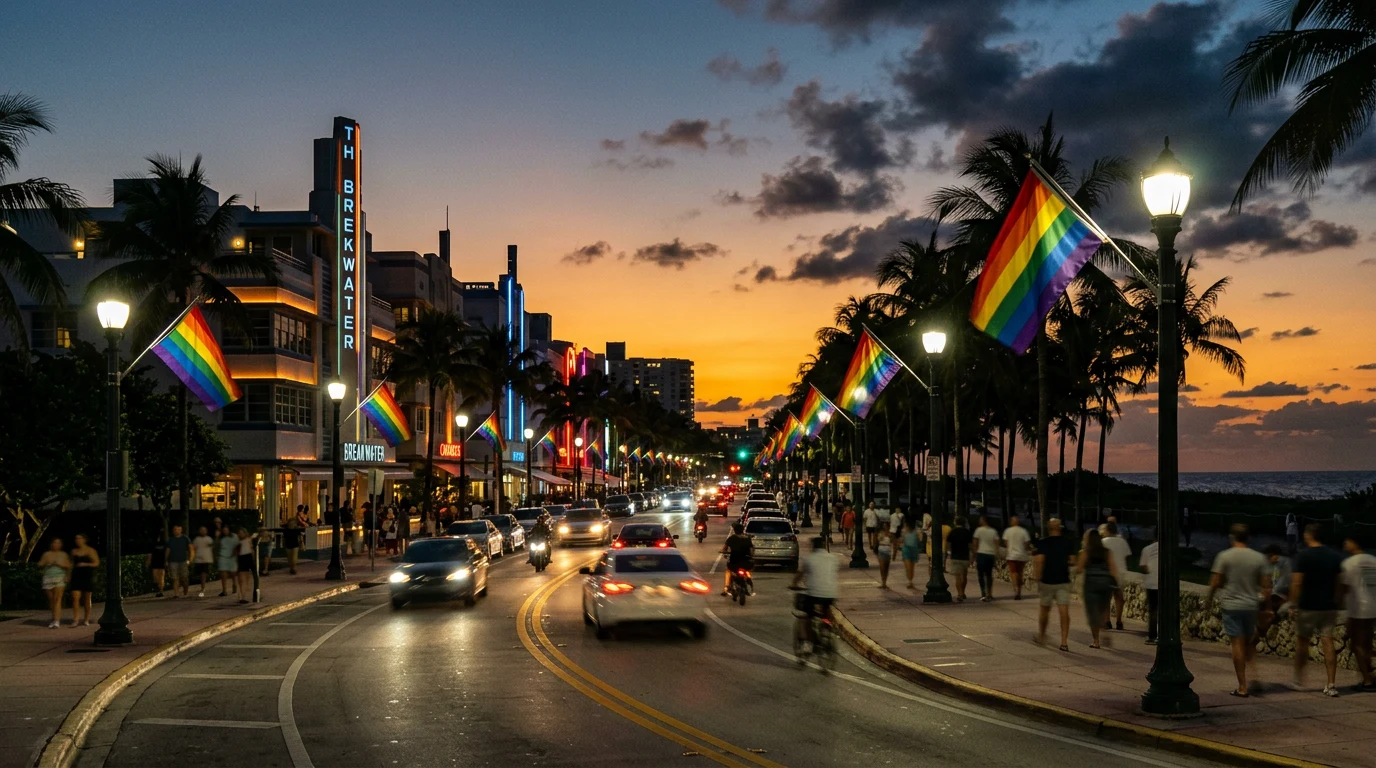
Choose South Beach when the beach day should include the city: breakfast on Collins Avenue, the wide sand at Lummus with the skyline behind you, and everything walkable once you park. The trade-offs are the county's highest crowd levels and the hardest parking, typically metered street spots and garages that fill by late morning on weekends, per City of Miami Beach parking facilities as of 2025. Go early — before 10 a.m. — or go on a weekday, and the same beach reads completely differently.
Why do locals pick Key Biscayne?
Crandon Park and Bill Baggs Cape Florida State Park trade skyline for water quality of experience: gentler, shallower water, natural dunes, and a family atmosphere that South Beach never has on a Sunday. The drive over the Rickenbacker Causeway adds a toll, and county park lots charge per vehicle, per Miami-Dade and state park fee schedules as of 2025 — figure the trip as a planned half-day, not a spontaneous swim. Bill Baggs adds the lighthouse walk and picnic shelters; bring your own shade, because rentals and concessions are seasonal.
What about Haulover and the northern beaches?
Haulover Park, between Bal Harbour and Sunny Isles, is the northern workhorse: a large county park with ample lots, picnic areas, concessions, and a designated clothing-optional section at its north end, per Miami-Dade Parks facilities as of 2025. Sunny Isles' city beaches north of it offer wide sand with a quieter residential backdrop. For residents of Aventura, North Miami, or Sunny Isles, these beat any causeway drive — the nearest good beach is usually the right answer on a Saturday. Note that Haulover's lots are among the largest in the county system, which keeps weekend entry manageable when South Beach garages have long since filled, per Miami-Dade Parks facility information as of 2025.
How does the beach year change by season?
Miami's beach season never closes, but it shifts character. Winter, from December through March, brings the best walking and sunbathing weather and the biggest tourist crowds on South Beach; the water cools enough that most locals swim less. Summer is the locals' season — warm water, empty weekdays, and afternoon thunderstorms that end beach days on a schedule, with the season's character shifting again during the June-to-November hurricane window, per National Weather Service Miami climate patterns as of 2025. Practical rule: tourists own winter weekends, locals own summer weekdays, and the smart planning move is choosing your beach by the season, not just the zip code.
What should a first beach day actually include?
Miami beach days fail on logistics, not on scenery. The standard local kit covers the common failures.
- Arrive before 10 a.m.; parking and shade both disappear later, and the sun is strongest midday.
- Bring shade you carry — an umbrella or canopy — because natural shade is scarce at most city beaches.
- Pack twice the water you think you need; humidity hides dehydration until it hits.
- Check the posted flag and any swimming advisory before entering the water, per Florida Healthy Beaches postings as of 2025.
- Plan the exit: afternoon thunderstorms build from roughly May through September, and the day ends better before the downpour than during it.
How do you check conditions before you go?
Check three things the morning of: swim advisories and flag conditions, weather, and parking. The Florida Healthy Beaches program publishes water-quality sampling results for Miami-Dade beaches, per the state program as of 2025, and lifeguard flags posted at major beaches signal surf hazards — red means danger, double red means the water is closed. After heavy rain, bacteria advisories appear more often; when one is posted, the practical move is the next beach north or a pool day.
Which beach should a first-time visitor try?
Start with Mid-Beach or Crandon Park rather than South Beach, and you will understand why residents are picky: the same sand with a third of the logistics. If you have a car and a morning, Key Biscayne is the beach that converts visitors into repeat visitors; if you are car-free in downtown or Brickell, Mid-Beach is a short rideshare and South Beach is a bus ride, per Miami-Dade transit routes as of 2025. One summer is enough to develop your own ranking — that is how Miami works.